Last updated November 21, 2026
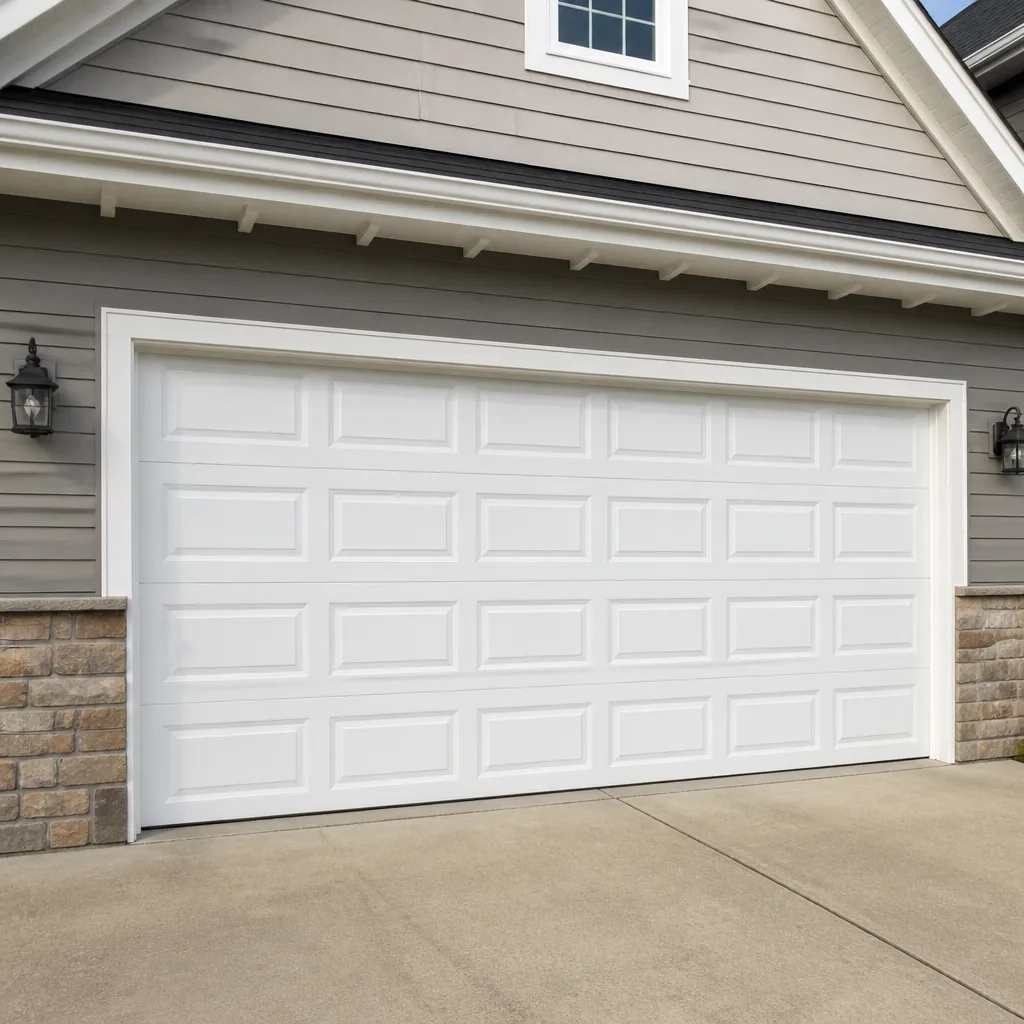 Raised-panel steel
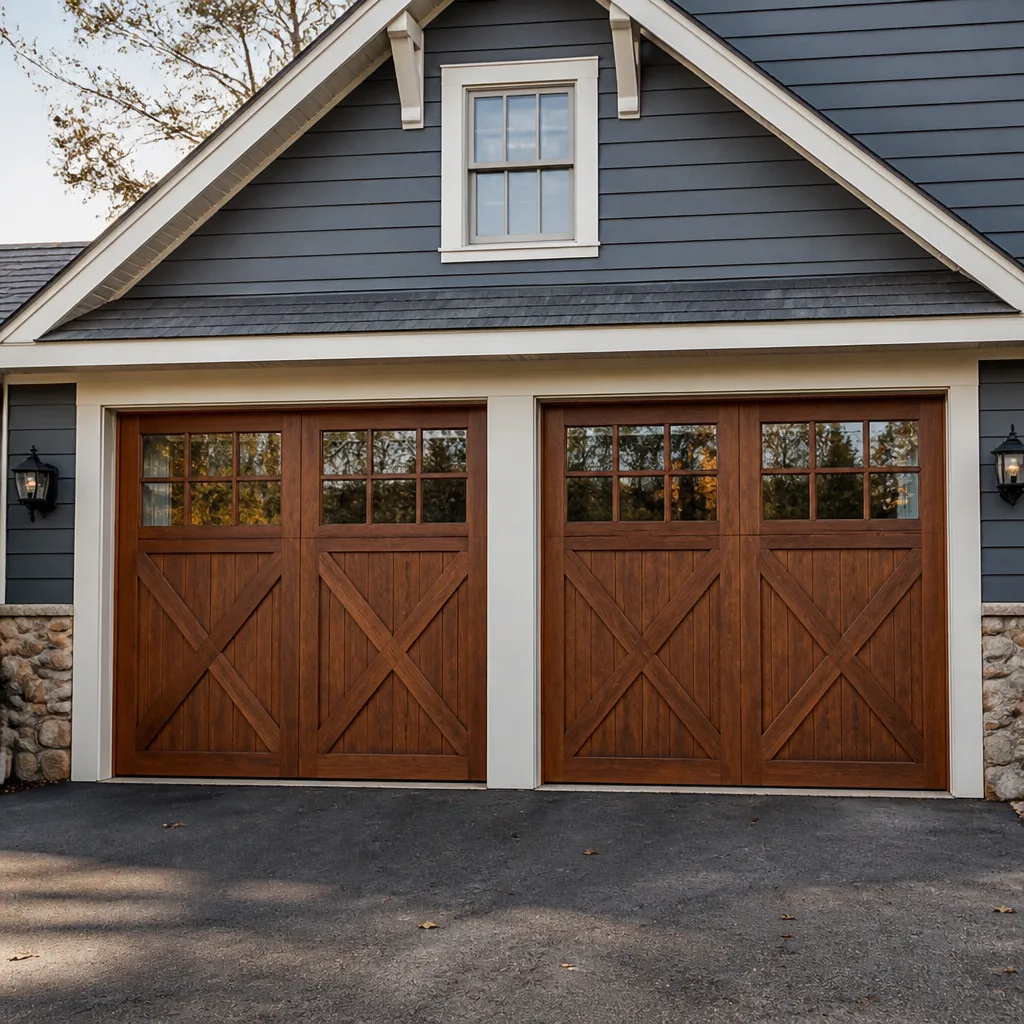 Carriage house
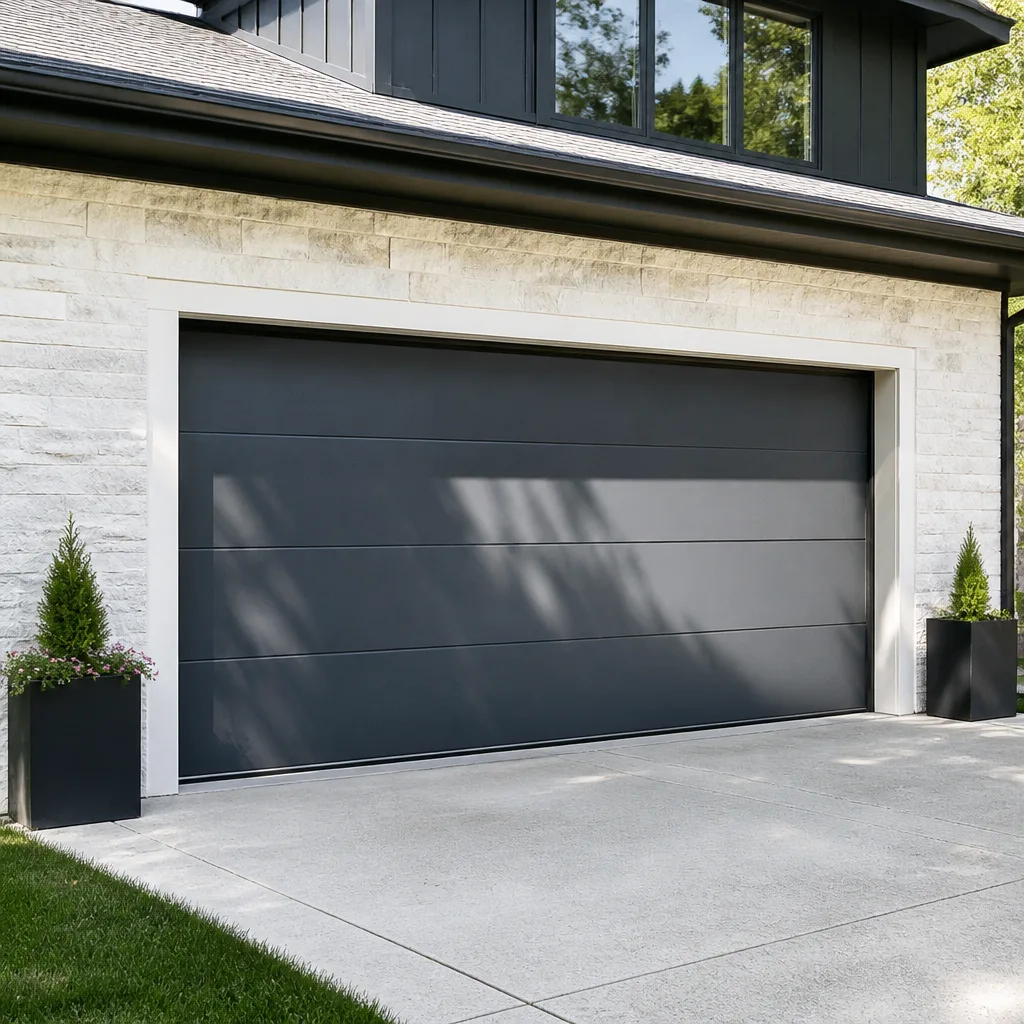 Modern flush
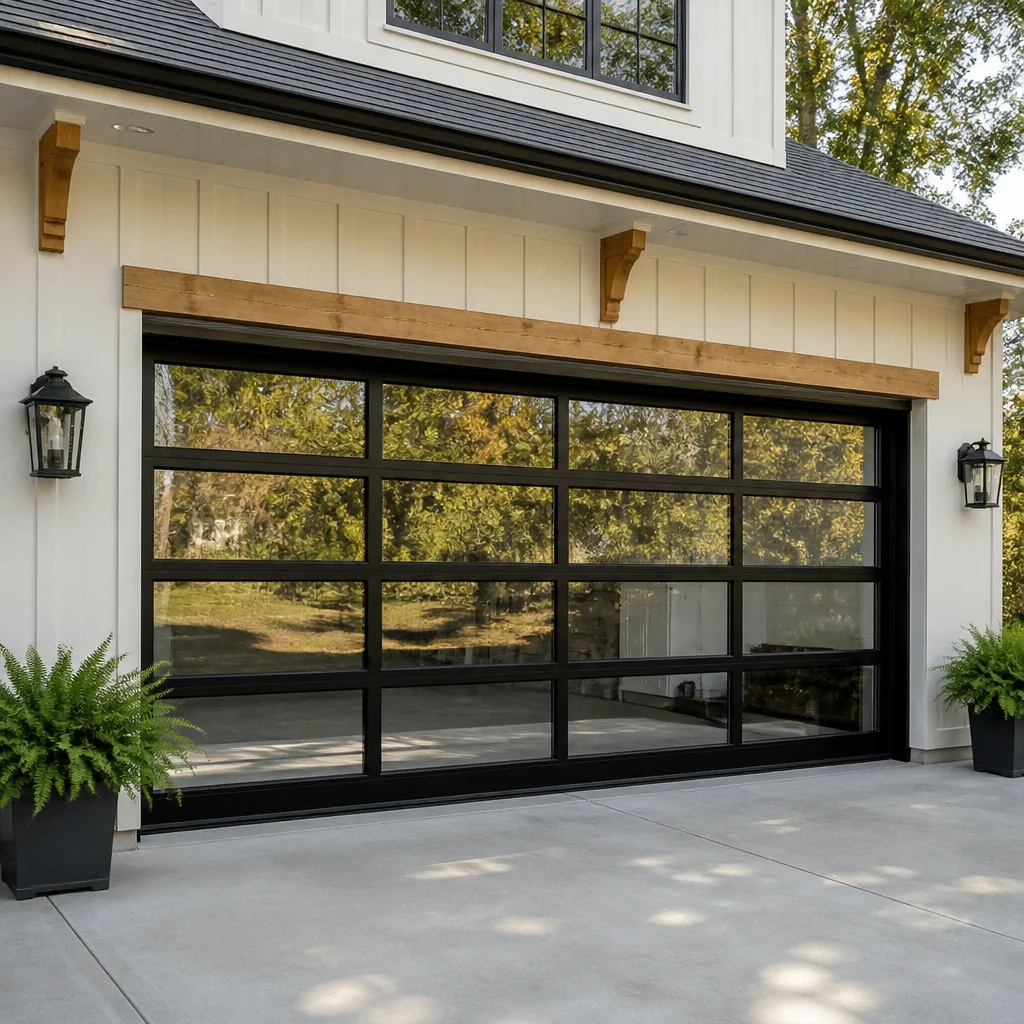 Full-view glass
 LiftMaster openers
 Chamberlain openers
Full 25-point door and opener safety check with every visit - springs, cables, rollers, tracks, and your LiftMaster or Chamberlain opener included
You get a price before we start. It does not change when the pro arrives.
Get your free estimateSeasonal Garage Door Care for Wilmington: Year-Round Homeowner’s Guide
Most seasonal garage door guides split the year into four tidy quarters and tell you to “inspect your door” in each one. That advice fails in Wilmington because the seasons here don’t hit a garage door equally. The stretch from October through December is when freeze-thaw cycling, thermal contraction, and the first road treatments of the season all land at once – and it’s the window where a small alignment issue or a dry hinge becomes a door that won’t open on a cold morning. The work you do before winter matters more than anything you do after it. This guide walks you through what to check, when to check it, and why the fall transition deserves most of your attention.
Quick Answer
Garage door care in Wilmington is not evenly spaced across four seasons. The highest-leverage maintenance window runs from October through December, when temperature swings stress springs, cables, and seals at the same time. A fall tune-up, a summer humidity check on your opener, and a spring inspection after the last freeze cover the large majority of what a Wilmington door needs in a year. Everything else is spot checks.
Styles & brands we work with
- Raised-panel steel
- Carriage house
- Modern flush
- Full-view glass
- LiftMaster openers
- Chamberlain openers
Table of Contents
- Why Wilmington’s Seasons Don’t Treat Your Door Equally
- Fall Pre-Winter Prep: The Highest-Leverage Window
- Summer Humidity and Your Opener Electronics
- Winter: When the Door Sticks to a Frozen Threshold
- Spring Inspection After a Wilmington Winter
- Summer Heat, Direct Sun, and Warped Panels
- What Seasonal Service Typically Costs in Wilmington
- Common Mistakes to Avoid
Why Wilmington’s Seasons Don’t Treat Your Door Equally
A garage door is a balance of tension and counterweight. Springs hold the door’s weight, cables transfer that force, and the opener does the light lifting. Every one of those parts reacts to temperature, and in Wilmington those reactions don’t arrive on a smooth curve. They cluster at the seams between seasons, especially in the fall, when a warm afternoon can be followed by a night that dips below freezing.
That swing is the core problem. Metal contracts in the cold and expands in the heat, and Delaware’s shifting between mild days and cold nights through the fall forces the door’s frame, tracks, and panels to move a little every day. A track that was perfectly aligned in September might pinch by November. A spring that felt fine in the heat of August carries different tension when the garage drops into the forties. This is why mechanical failures often get “set in motion” in the transition weeks – the damage starts quietly, and homeowners notice it weeks later when a door won’t close.
Wilmington’s specific mix makes this sharper than in other parts of the country. The city sits in a zone where winter cold is real but not extreme, which means freeze-thaw cycles happen over and over rather than freezing solid once. Each cycle is a small stress event. Multiply that by a hundred days and you get wear on the bottom seal, the bottom brackets, and the connection points where cable meets drum. Add early road treatments tracked into the garage on tires, and you’ve got the full picture of what a Wilmington door fights through.
What this means for you is simple: don’t think in quarters. Think in transition windows. Your fall prep gets more done for the door than the other three seasons combined. That’s the central idea of this guide, and it’s the one that will save you the most repair calls.
Fall Pre-Winter Prep: The Highest-Leverage Window
If you only do maintenance once a year, do it between late September and early November. This is the window when you can catch problems before the cold locks them in and before a stuck door turns into a scramble on the first freezing morning.
Here’s how we rank the fall tasks by their failure-prevention value, most impactful first. This ordering is based on what our technicians see on service calls around Wilmington during the cold months.
- Lubricate the moving parts, not the tracks. Hinges, rollers, and the spring coil benefit from a silicone-based garage door lubricant. The travel tracks should stay clean and dry – grease attracts grit and causes rollers to drag. A five-minute lube pass in October prevents a lot of the sticking and groaning that shows up in January.
- Test the balance of the door. Disconnect the opener and lift the door halfway by hand. A balanced door stays put. If it drifts down or slams up, the spring tension is off and it should be checked before it fails. This is a hands-off test; understand the diagnosis, but leave spring adjustment to a trained technician – more on that safety point below.
- Check the bottom seal and its contact with the floor. The rubber astragal strip at the base does the most winter work. If it’s cracked, torn, or sitting above a low spot in the floor, cold air and water get underneath and freezing becomes likely.
- Clear the tracks and inspect for bends. Small dents in the vertical track can bind rollers once thermal contraction tightens tolerances in cold weather.
- Look at the door’s hardware for loose bolts. Vibration loosens the brackets and hinge screws over a season. A quick tighten prevents rattle and misalignment.
- Test the opener’s safety reverse. Place a piece of wood on the floor under the door and let the door close on it. The door should reverse. If it doesn’t, that’s a safety issue to fix before winter.
Every one of these tasks on its own is small. Done together in the fall, they form a shield against the specific wear that October through December brings. If you’d rather have someone walk through it, our garage door repair team runs a full tune-up visit that covers all of the above. We handle every major brand’s door and drive system, from Amarr panels to Wayne Dalton hardware, so what you get is a real diagnosis rather than a generic checklist.
A safety note before you climb a ladder
Two parts of a garage door are genuinely dangerous: the torsion spring and the cables. Torsion springs hold the full weight of the door in tension, and if one lets go while you’re near it, the result can be serious injury. Cables are under the same tension. Do not adjust, unwind, or remove a spring or cable yourself. What you can safely do is inspect and lubricate the accessible hardware and test the door by hand. Anything that involves the spring or the cable should go to a trained technician – it’s one of the most dangerous jobs in the trade, and it deserves the right tools and the right hands.
Summer Humidity and Your Opener Electronics
Wilmington summers run humid, and that humidity follows the air into your garage. While the door itself can handle it, the electronics in the opener are more sensitive. Circuit boards, motor windings, and the photo-eye connections all live with a few weeks of high moisture each summer, and the damage often doesn’t show up until something stops working.
The risk isn’t water pouring in – it’s condensation. Every time warm, humid air meets a cooler surface inside the unit, small amounts of moisture collect. Over one summer after another, that moisture contributes to corrosion on terminals and can cause intermittent behavior: a remote that sometimes doesn’t work, a door that stops partway and starts again after a pause, or a light that flickers unexpectedly.
Before the weather turns in September, run through a short inspection:
- Check the opener’s mounting and housing. Look for condensation, discoloration at terminals, or a faint musty smell inside the housing.
- Test all remotes and the wall console. If a remote has become unreliable, the issue may be the remote battery – or it may be a receiver connection that’s been affected by moisture.
- Confirm the safety reverse. The same wooden-block test you do in fall should be repeated in late summer. Anything that changed after weeks of humidity matters.
- Look at the photo-eye alignment. If the safety sensors on the door’s path have drifted or collected condensation, the door will refuse to close. A quick wipe and realignment usually solves it.
If the opener has started to misbehave and you want a diagnostic you can trust, our garage door opener repair team can test both the drive unit and the control side in one visit. LiftMaster, Chamberlain, Genie, Craftsman, and Raynor openers all appear on regular calls around Wilmington, and each brand has its own set of common moisture-related failure points.
Winter: When the Door Sticks to a Frozen Threshold
The classic Wilmington winter problem is a door that won’t open because the bottom seal has frozen to the floor. It happens when the rubber strip picks up the night’s moisture and a hard freeze locks it in place. The instinct is to pull harder, or to force the door up by hand. Don’t. Pulling hard on a frozen seal can tear the astragal, bend the bottom bracket, and put strain on the whole lift system.
What to do instead:
- Stop the opener from lifting. If the seal is stuck, the opener’s lifting force can damage the drive. Release the door from the opener with the manual release and let the opener rest.
- Break the seal gently. A rubber mallet tapped along the bottom of the door can often free it. A plastic scraper run along the seam between seal and floor also works. Never use metal tools that could gouge the seal or the concrete.
- Clear snow and ice buildup. If snow has piled against the door, clear it before trying to open. The weight of ice on the outside of the door puts unnecessary strain on the springs.
- Dry and protect the threshold. Once the door is free, wipe down the seal and floor. A dry seal is much less likely to freeze again overnight.
If the same door freezes repeatedly, the seal itself is probably worn, sitting unevenly, or too thin for the gap. Replacing the bottom seal is a small fix that eliminates a whole winter’s worth of morning frustration. Our garage door spring repair team often finds related cold-weather issues – a spring with reduced tension, a cable with a stretched end, or a bracket starting to fail – during these visits, and we’d rather flag them before they turn into a morning emergency than after.
What not to do when your door is frozen
Don’t pour hot water on the seal. It thaws quickly but refreezes just as fast, and the moisture can work into the door’s hardware. Don’t try to chip ice off with a shovel blade – you’ll scar the bottom panel and the seal. And don’t run the opener repeatedly hoping for a break; the motor will keep trying to lift against a load it can’t move, and that’s a good way to burn out the drive system.
Spring Inspection After a Wilmington Winter
When the last hard freeze of the year has passed, the door has been through a season of daily temperature swings, and it’s worth a proper walk-through. The three areas that feel winter’s effects most are panel alignment, bottom brackets, and cable drum grooves.
Panel alignment. Each section of a sectional door moves a little independently as temperatures shift. Over a winter, small deviations can grow into visible misalignment – gaps between sections, a panel that doesn’t sit flush, or a door that closes with an uneven edge. Left alone, misalignment wears hinges and rollers faster.
Bottom brackets. These hold the bottom of the door to the cable system’s lowest point, and they take the most direct hit from moisture at the floor. Look for rust, missing fasteners, or looseness. A failing bottom bracket is a real safety concern, and it’s one of the parts a trained technician should handle – the bracket is connected to a tensioned cable.
Cable drum grooves. The drums at the top of the door wrap the cable in a spiral groove. Freeze-thaw cycles work the cable slightly, and a cable that has slipped out of its groove will throw off the door’s balance and can quickly lead to a cable snap. You can check the drums visually to see that the cable is evenly seated – you should not attempt to reseat a cable yourself.
Spring is also a good time to test the safety reverse again, check that all remotes work, and lubricate hinges and rollers. A spring inspection catches the wear that would otherwise show up as a breakdown in the middle of summer. It’s a small investment of time that prevents a larger call.
Summer Heat, Direct Sun, and Warped Panels
Heat doesn’t break a garage door in one dramatic moment. It works slowly, and the doors that feel it most are the ones that face south or west. In Wilmington neighborhoods – the older brick and stone houses around the Highlands and Wawaset, the newer construction out toward Pike Creek and Hockessin – a garage door that takes direct afternoon sun can hit temperatures well above the air temperature, and that heat stresses the paint, the seal, and the panel material itself.
Wood and steel doors warp differently. Wood panels can dry out and cup at the edges, opening gaps where water gets in during the next rain. Steel doors can show heat-related distortion in the finish, and the energy absorbed by a dark-colored door speeds that up. Neither problem is dramatic at first, but each summer adds a little more.
What slows it down:
- A light-colored or reflective finish. If you’re repainting or choosing a new door, a lighter color absorbs less heat. This matters more for a south-facing door than a north-facing one.
- A fresh exterior-grade paint or finish. A sealed surface on wood and steel resists moisture and reflects some of the sun’s energy. Touch up worn spots before summer.
- Regular lubrication and alignment checks. Heat expands the track slightly and can pinch rollers. A door that runs smoothly in the summer is a door with less strain on every moving part.
- A weather seal on the bottom and sides. Seals protect the interior of the door from the temperature extremes on either side. A door with a tight seal stays cooler.
If a panel has warped enough to bind the door in its tracks, the fix isn’t always a full replacement. Sometimes a single panel swap or track realignment is enough. Because we work with Clopay, Amarr, and other major manufacturers, we can usually source the right panel for your door without guessing.
What Seasonal Service Typically Costs in Wilmington
Here’s the pattern you’ll see across Wilmington. A straightforward tune-up or full inspection is one line item. Repairs, when the inspection turns one up, are separate. The larger replacements – springs, openers, doors – are their own category. These are typical ranges for the area, and a written estimate always settles the final number.
- Full tune-up and safety inspection: typically in the $100 – $200 range, covering lubrication, balance check, safety-reverse test, and a written report on anything failing.
- Bottom seal replacement: typically $80 – $180 depending on door width and seal type.
- Roller and hinge replacement: typically $100 – $250 for the full set on a standard two-car door.
- Track straightening or adjustment: typically $100 – $200.
- Opener repair: typically $120 – $350 depending on whether the fix is a sensor, a board, or a drive component.
- Single torsion spring replacement: typically $180 – $340. A matched pair is usually replaced together, so a pair runs about twice that.
- New door installation: a full job, priced per measure after we see the door and opening.
Two things keep the numbers honest. First, we quote and agree on the price before any work starts – not after. Second, if the inspection turns up something you didn’t expect, we tell you what it costs before we touch it, not on the invoice. If you want a specific number for your door, call (877) 492-2046 for a free estimate.
Common Mistakes to Avoid
Some of these are the direct cause of the calls we get around Wilmington. Avoid them and your door will last longer between service visits.
- Greasing the tracks. It feels productive, but grease on the travel tracks catches dirt and grit and turns the rollers into drag points. Lubricate the hinges, rollers, and springs – not the tracks.
- Pulling hard on a frozen door. Forcing a stuck seal to break loose damages the astragal, the brackets, and can strain the opener. Break the seal gently with a rubber mallet instead.
- Ignoring a noisy door. A rattle or groan is a sign that something is loose, worn, or out of alignment. Deal with it in the fall before the cold makes it worse.
- Skipping the fall prep because “it still works.” A door that runs fine in September can still be a door that fails in December. Failure prevention is exactly the point of the fall window.
- Adjusting a torsion spring yourself. This is the highest-risk job on the entire door, and it should never be a DIY project. The tension is measured in hundreds of pounds.
- Painting over a worn finish without addressing the panel. Paint doesn’t fix warping or a cracked panel; it just hides it for one more summer of heat.
- Waiting for a summer breakdown when a spring inspection would have caught it. Spring is the right time to look at the parts that endured winter. Catching wear in April is far cheaper than replacing it in July.
See the difference
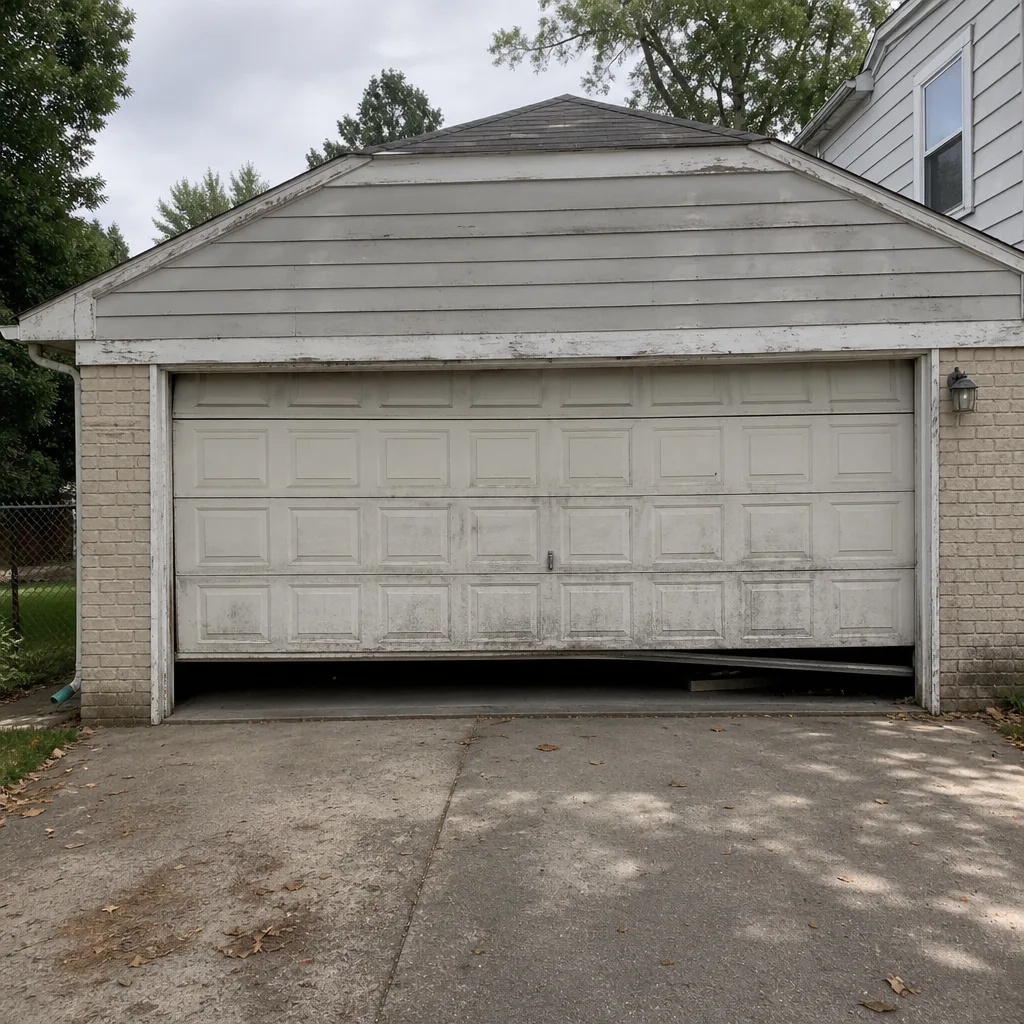 Before
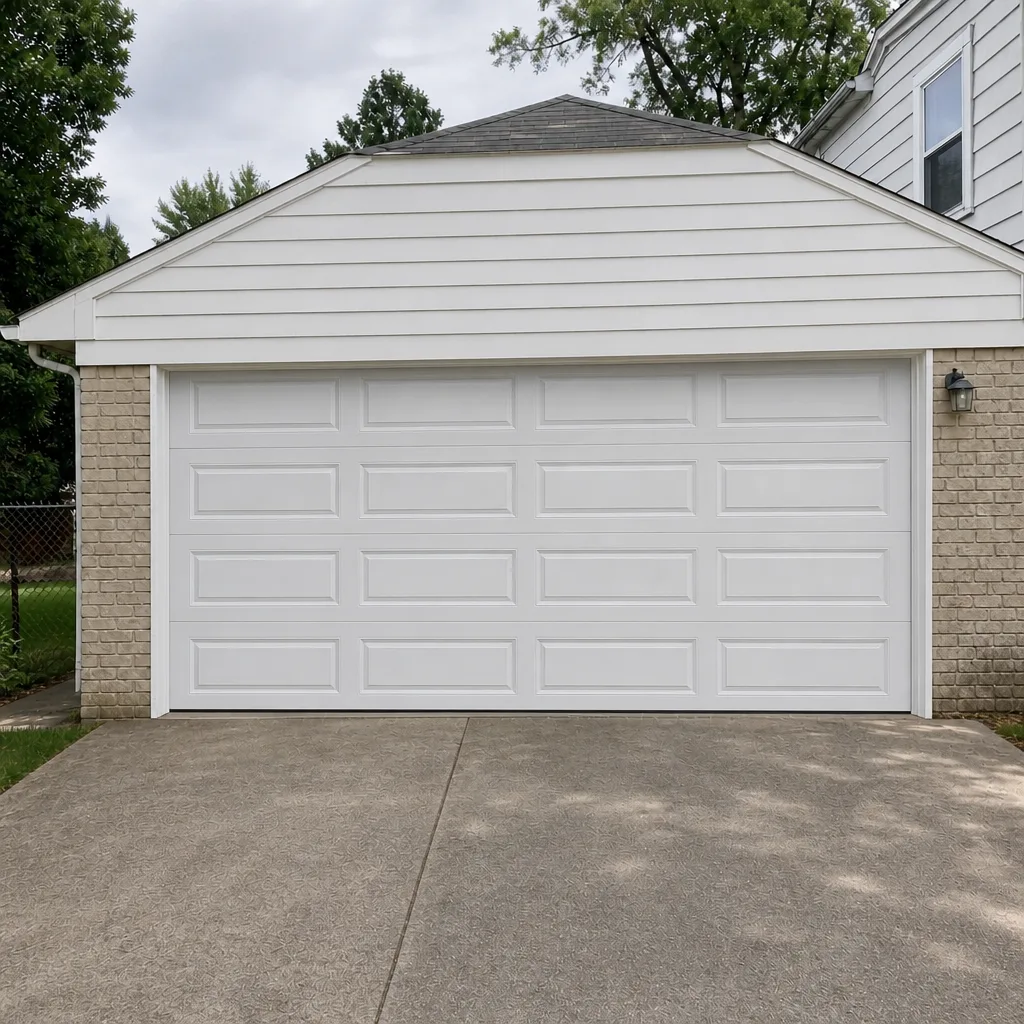 After
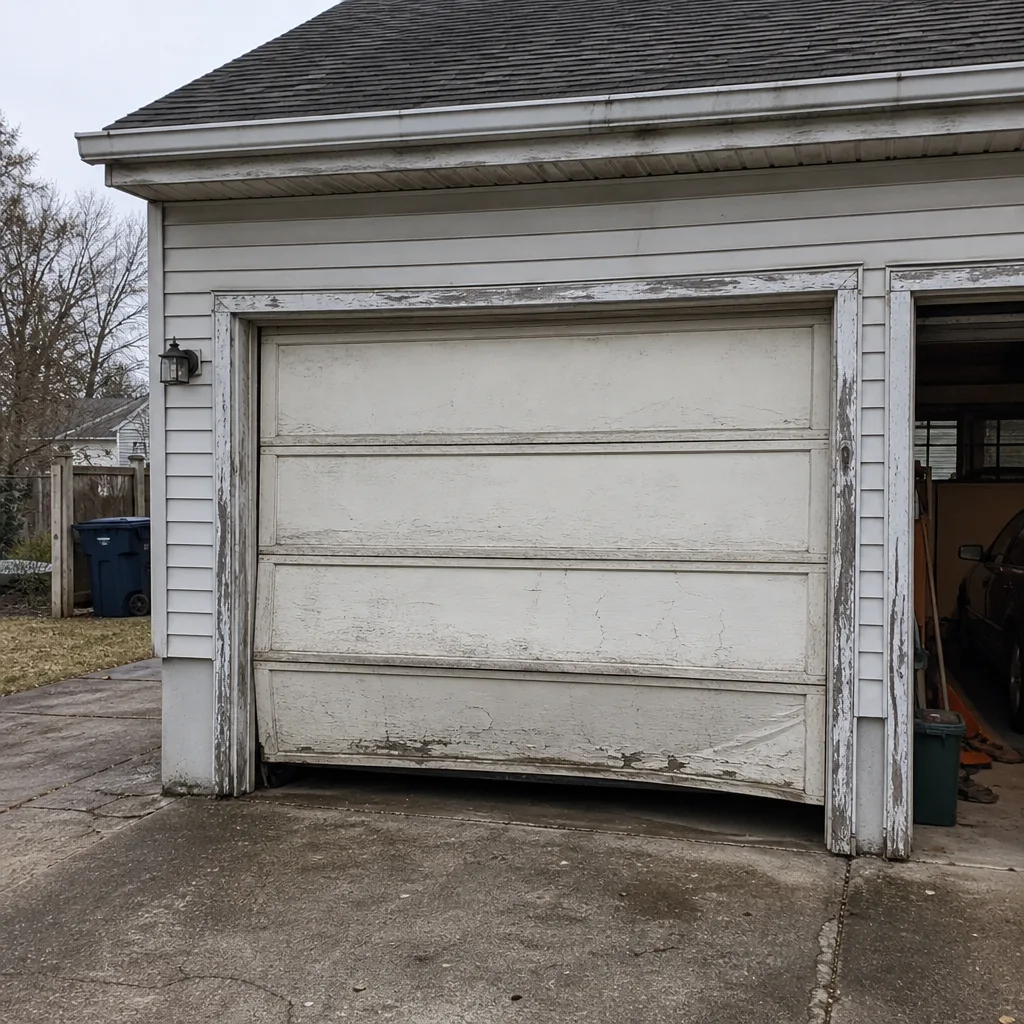 Before
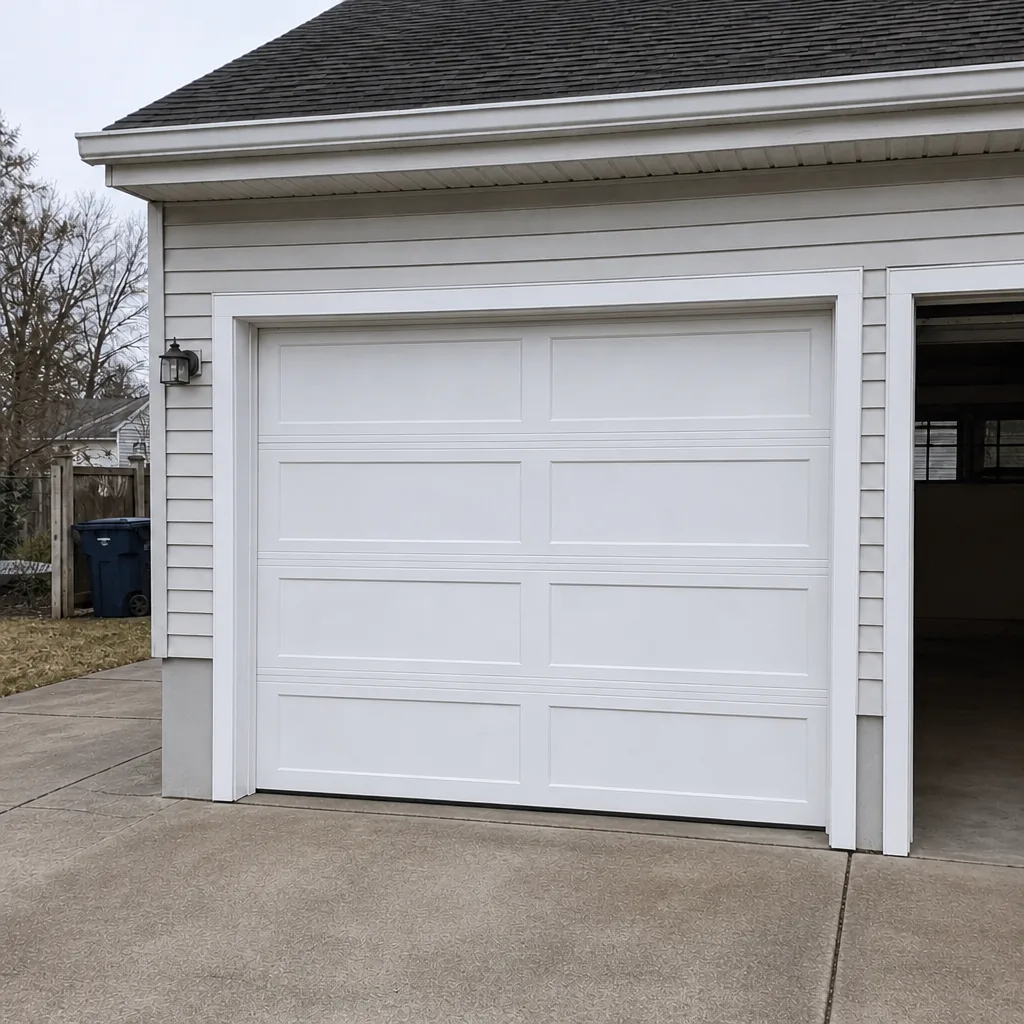 After
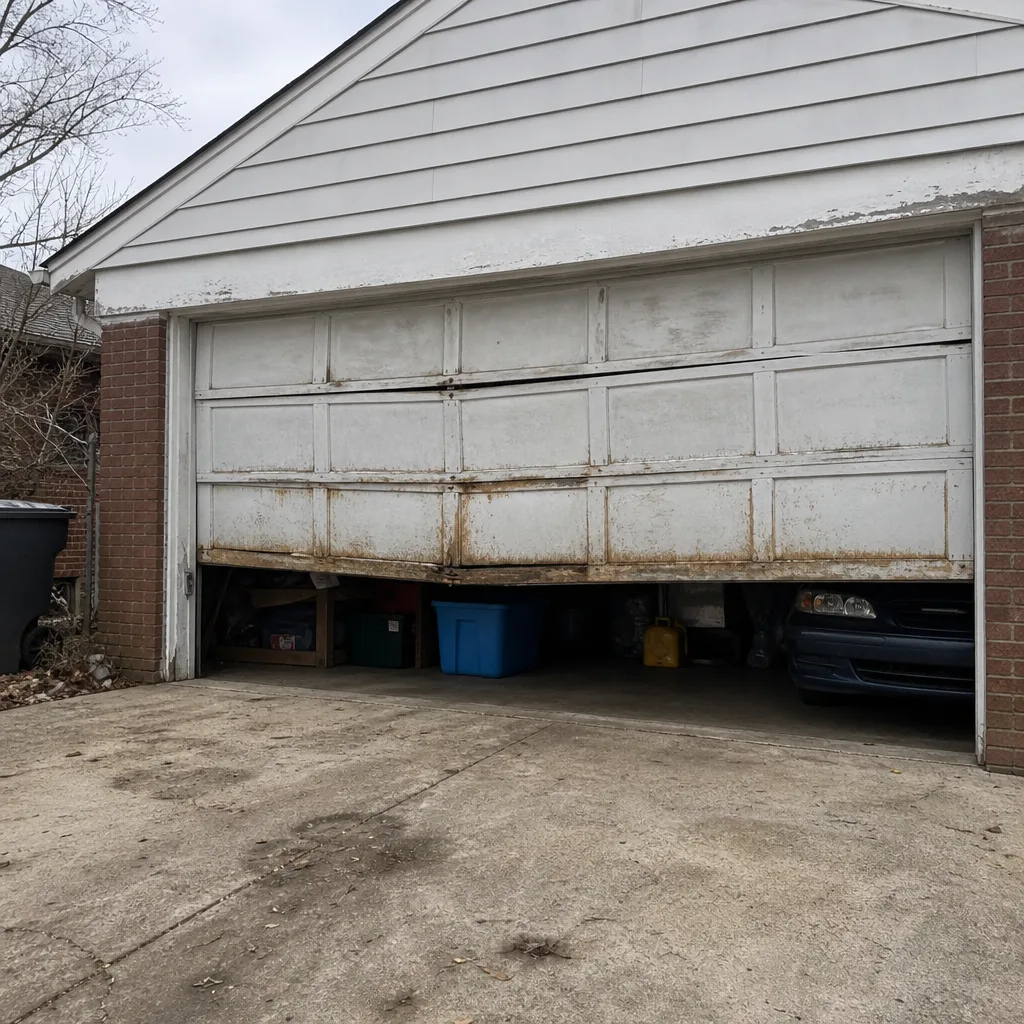 Before
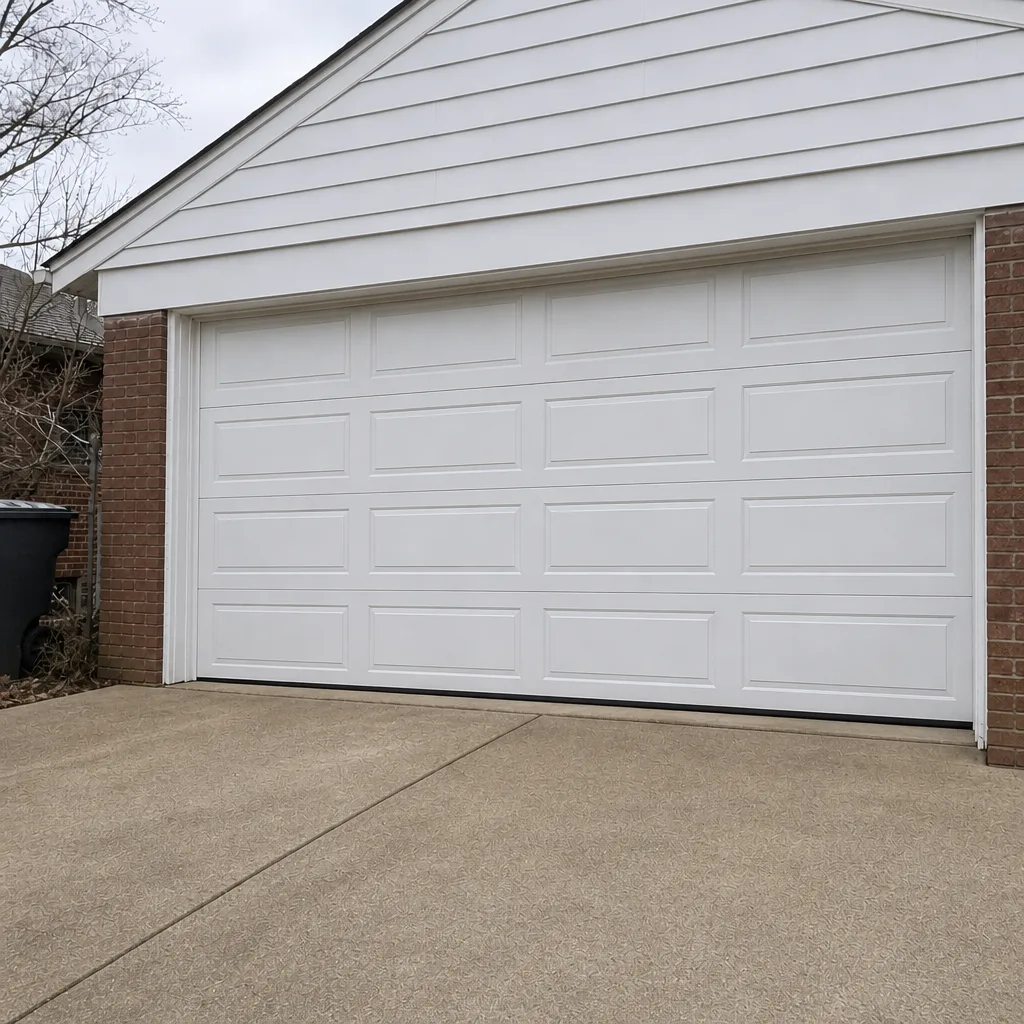 After
When to Call a Professional
Some jobs around the garage door are yours: lubricating hinges, wiping the seal, testing the safety reverse, clearing snow. Some jobs belong with a technician: anything touching the torsion spring, the cables, the bottom brackets, the opener’s internals, or the track alignment. Broken cable? Call us. Mangled bottom bracket after a winter? Call us. Door that won’t balance by hand, opener that trips the breaker, remote that’s stopped working after a summer of humidity? Those are diagnostics we run all the time. Wilmington Garage Door Repair Pros offers free estimates in Wilmington – call (877) 492-2046 an we’ll give you an honest read on repair versus replace, plus a written price before we start. Our technicians have up to 10 years of experience and cover every major brand, including LiftMaster, Chamberlain, Genie, Clopay, Amarr, Wayne Dalton, Craftsman, and Raynor – so whatever your door or opener is, one call covers it.
Frequently Asked Questions
Once a year, in the fall, before the freeze-thaw cycle starts doing its real work. A spring spot check and a summer humidity pass on the opener round it out. If your door runs a lot – an active household, or a property manager maintaining a rental – twice a year is worth considering.
Often, yes. Wilmington Garage Door Repair Pros offers emergency service for doors that won’t open, won’t close, or are hanging unevenly. If it’s a same-day emergency, call (877) 492-2046 – if the schedule allows, we’ll get someone out to you.
Not without telling you first. We quote and agree on the price before any work starts. If we find something the initial call didn’t cover, we stop and explain what it costs before we touch it, so there’s no surprise invoice at the end.
Yes – the local professionals we connect you with are licensed and insured as the state requires. Our technicians have up to 10 years of experience, and they work on nearly every major brand, from Amarr and Clopay to Raynor and Wayne Dalton.
Moisture on the bottom seal freezes overnight and glues the door to the concrete. It’s the most common cold-weather complaint we hear in Wilmington. A worn or thin bottom seal makes it worse, and replacing it is usually a small, quick fix.
Often, yes. Humidity damages opener electronics in a slow, cumulative way, and the failure usually shows up after weeks of moisture, not during a single storm. Call us and we’ll diagnose the drive, the board, and the sensor connections in one visit rather than sending you to three different contractors.
The Bottom Line
Wilmington’s garage doors don’t have four equal seasons of wear. They have one high-leverage window in the fall, a humidity problem in the summer, and a spring inspection that catches the cost of winter before it compounds. Front-load your maintenance into the October-to-December stretch, do a humidity pass on your opener in September, and walk the door after the last freeze. Everything else is spot checks, spring checkups, and knowing what to leave to a technician. If anything on that list is more than you want to handle, one call covers it – door, opener, springs, tracks, panel, or full replacement. We work on nearly every major brand. Repair or replace? We’ll give you an honest answer either way.
Have a seasonal question we didn’t cover? Call (877) 492-2046 for a free estimate and we’ll point you at what your door actually needs.
To see the full picture of what we do, start at Wilmington Garage Door Repair Pros.
Written by the team at Wilmington Garage Door Repair Pros.