Last updated November 21, 2026
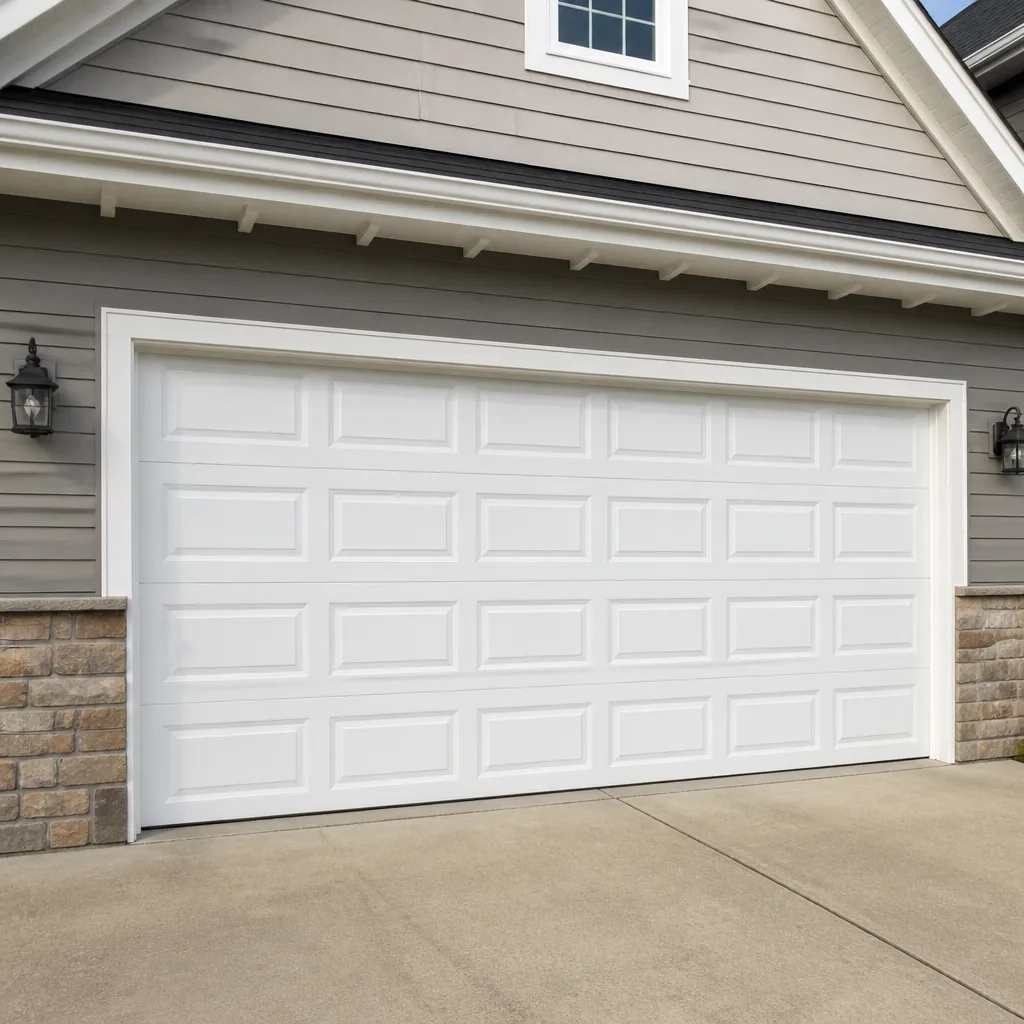 Raised-panel steel
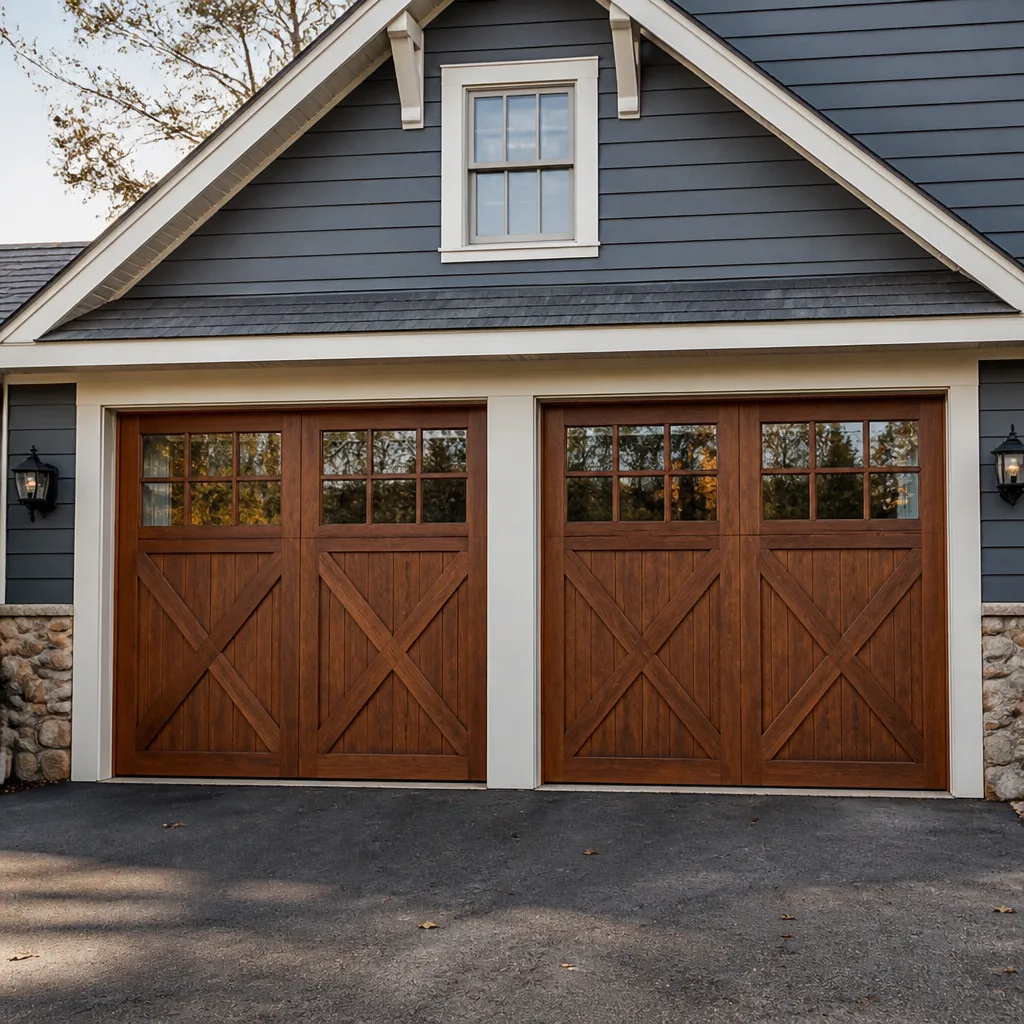 Carriage house
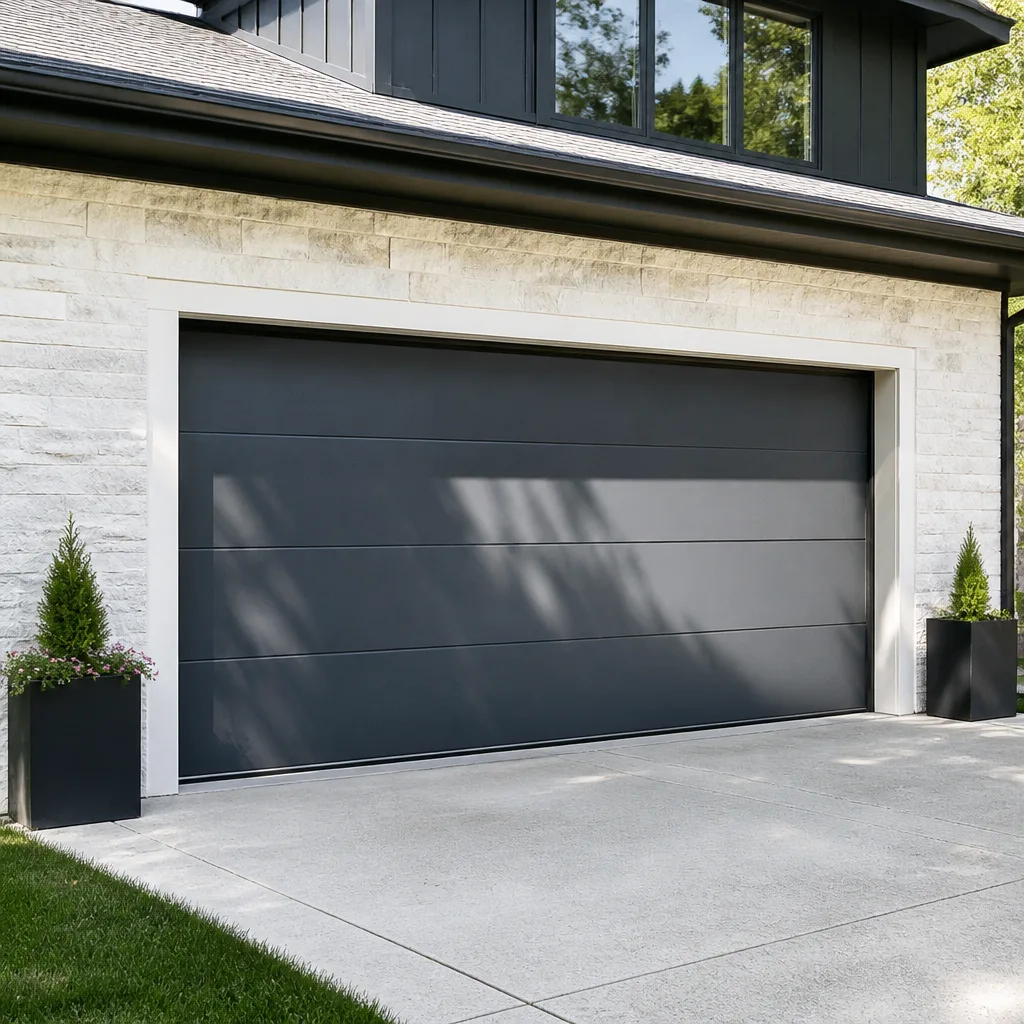 Modern flush
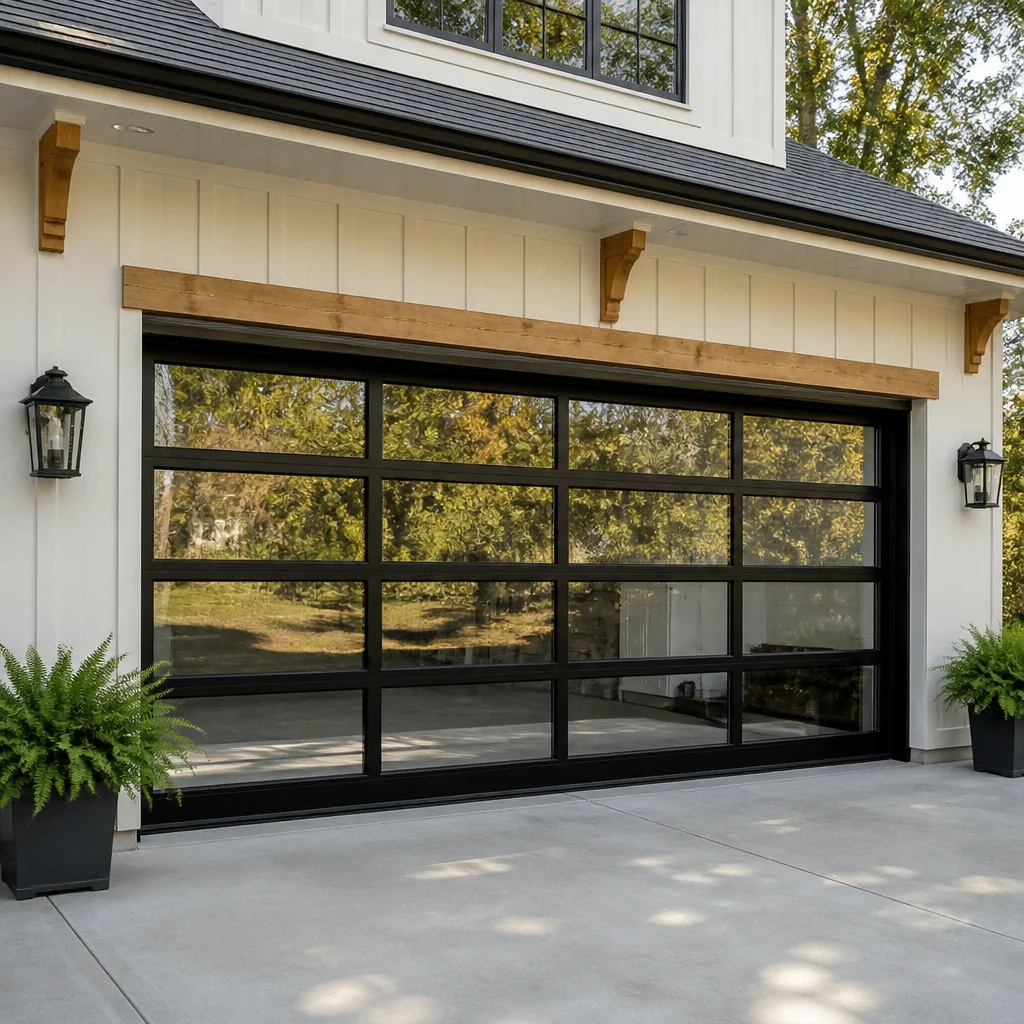 Full-view glass
 LiftMaster openers
 Chamberlain openers
Full 25-point door and opener safety check with every visit - springs, cables, rollers, tracks, and your LiftMaster or Chamberlain opener included
You get a price before we start. It does not change when the pro arrives.
Get your free estimateGarage Door Emergency Preparedness Guide for Wilmington Homes
Most homeowners think a garage door emergency means a broken spring. In our experience across Wilmington, the more common failure is a house full of people who can’t get a car out of a garage because the opener lost power and nobody knows where the manual release cord is, or what to do with it once they find it. Mechanical failures are loud and obvious. Power loss and storm damage are quiet, and they catch people completely unprepared. This guide covers all three emergency types Wilmington homes actually face, walks through the manual release for the opener brands we see most, and gives you a decision tree for what’s a real emergency and what can wait until morning.
Quick Answer
A garage door emergency in Wilmington falls into one of three categories: mechanical failure (springs, cables, tracks, openers), weather events like nor’easters, or power outages. Each needs a different response. The single most useful thing you can do before anything goes wrong is locate and test your opener’s manual release cord. If a spring has snapped or a cable is hanging, keep everyone clear of the door and call a professional rather than trying to lift or force it. For urgent problems, call Wilmington Garage Door Repair Pros at (877) 492-2046.
Styles & brands we work with
- Raised-panel steel
- Carriage house
- Modern flush
- Full-view glass
- LiftMaster openers
- Chamberlain openers
Table of Contents
- The Three Types of Garage Door Emergencies in Wilmington
- How to Manually Release Your Garage Door Opener
- Nor’easter and Storm Prep for Wilmington Garage Doors
- What to Do When a Spring Snaps at Night
- Emergency Decision Tree: Call Now or Wait Until Morning?
- Preventive Steps That Eliminate Most Emergency Calls
- Insurance and Documentation Before Storm Season
The Three Types of Garage Door Emergencies in Wilmington
Wilmington homeowners tend to treat every garage door problem the same way: panic, then call whoever answers. That works, but it doesn’t help you decide what to do in the first ten minutes, which is when most avoidable damage happens. Sorting the problem into one of three categories makes the next step obvious.
1. Mechanical failure
This is a snapped torsion spring, a frayed or off-track cable, a bent track section, a roller that jumped its track, or an opener that hums without moving the door. Mechanical failures are usually the result of wear. Springs are rated for a specific number of cycles and fail predictably over time. Cables wear where they run over pulleys. Openers lose force as the drive gear or logic board ages. These problems don’t fix themselves and often get worse quickly if the door is forced. If a spring is broken or a cable is visibly loose, stop operating the door. This is the category where garage door spring repair is the likely next move.
2. Weather event
Wilmington gets nor’easters, heavy rain events, and the occasional ice storm, and the garage door is the largest opening on most houses. Wind-driven rain finds gaps around the perimeter seal. Older single-skin steel doors flex under wind load. Trees and limbs come down on doors and openers. Weather emergencies usually need securing rather than immediate repair: get the door closed, get the water out, and call once the worst has passed. We walk through storm-specific preparation later in this guide.
3. Power outage
Nor’easters knock out power in Wilmington homes, and the result is a car trapped behind an opener no one has disengaged manually. The door itself is fine. Nothing is broken. The problem is entirely about whether you know how your specific opener’s manual release works, and whether it operates freely. Tens of thousands of automatic openers in the Wilmington area have release cords that have never been pulled, and some have carriage assemblies that have seized from years of sitting.
Sorting the emergency into one of these three categories is the first thing to do. It tells you whether to call, whether to secure the door and wait, or whether to walk out and pull a cord.
How to Manually Release Your Garage Door Opener
Every residential automatic opener sold in the Wilmington market has a manual release, and most homeowners have never touched theirs. The release works the same way across brands at a basic level: a cord hangs from the carriage that rides the rail, and pulling it disconnects the door from the opener so you can lift it by hand. The differences show up when the cord is missing, or the carriage won’t slide out of the way.
The basic release sequence
- Stand clear of the door and make sure no one is underneath it.
- Locate the release cord hanging from the opener rail. It’s usually red, sometimes with a plastic handle.
- With the door fully closed, pull straight down on the cord until you feel the carriage disengage.
- Lift the door slowly by hand to about waist height. It should stay put if the springs are healthy.
- Open or close the door by hand as needed, then re-engage the carriage (usually by pulling the cord toward the opener and cycling the door) once power returns.
When the red cord is missing
Genie and Chamberlain openers commonly use a cord that can come loose from the carriage over the years. On Genie units, look for the small release lever on the carriage itself, near where it meets the rail. On Chamberlain, the same lever is usually accessible from the side of the carriage. Reach up and pull the lever toward you rather than looking for a cord. If you can’t reach it, use a step stool and a hook.
When the carriage is jammed
If the release cord pulls but the door still won’t move by hand, the carriage has likely seized or the door itself is under excessive load. On many Wayne Dalton and LiftMaster units, the carriage slides along the rail and can bind if the rail has accumulated grit or the trolley has rusted. Do not force the door: forcing a door with a seized carriage or a broken spring can bend the panels and crack the hinges. If the door won’t move by hand after you’ve pulled the release, treat it as a mechanical failure and stop.
Re-engaging the opener afterward
Once power is back, the carriage needs to re-engage the rail. Cycle the opener once with the door in the closed position. If it doesn’t catch, pull the release cord toward the opener while the door is in a normal travel position, then cycle again. If this doesn’t work, the opener likely needs garage door opener repair and shouldn’t be forced.
Nor’easter and Storm Prep for Wilmington Garage Doors
Wilmington’s winter storms arrive with wind-driven rain and long power outages, and the garage door takes more of that load than most homeowners realize. A few hours of preparation before storm season goes a long way toward avoiding an emergency call during one.
Wind load on older doors
Many Wilmington homes still have the original single-skin steel doors installed before modern wind-load standards were applied to residential garage openings. Those doors flex under wind load. The center panels can buckle inward in a strong gust. If your door was installed before roughly the late 1990s and hasn’t been inspected, it’s worth having a technician look at the struts, hinges, and panel stiffness. Doors from Clopay and Amarr built for the current wind-load requirements perform noticeably better under load than older single-skin doors, and if you’re replacing anyway it’s worth asking about a wind-load-rated model.
Reinforcing without voiding insurance
Homeowners sometimes add horizontal struts, extra braces, or bolts to stiffen an older door before storm season. That can help, but it can also void a manufacturer warranty or, worse, violate the door’s listed wind-load rating. The correct approach is to use struts and hardware specified for your door’s make and model, not generic hardware. Ask your insurance carrier whether they require or discount wind-load-rated doors, and ask for the door’s specification sheet if you’re replacing: most modern door manufacturers publish wind-load ratings per model and size.
Seals, drainage, and perimeter preparation
- Replace the bottom weather seal if it’s cracked or flat. Wind-driven rain gets in at the sill.
- Check the perimeter seal on the jambs and header; gaps let water run behind the trim.
- Clear the driveway grade so water flows away from the door instead of pooling against it.
- Trim tree limbs away from the door and the opener rail so they can’t come down on either.
- Test the opener’s auto-reverse function: place a 2×4 flat on the ground under the door and confirm it reverses on contact.
Power outage preparation
Before storm season, confirm the manual release works on your door, and have a working flashlight stored in the garage, not inside the car. If your opener has a battery backup (common on LiftMaster and Chamberlain models sold in the last decade), test it now: unplug the opener from the wall and cycle the door to confirm the battery is charged.
What to Do When a Spring Snaps at Night
A snapped torsion spring sounds like a gunshot inside the garage, and the door drops hard. It’s alarming, and the most important thing is to leave the spring hardware alone. Torsion springs hold enormous stored energy even after they break. Attempting to touch, bend, or “relieve” the hardware is how people get seriously injured.
Safe interim measures
- Do not attempt to lift, force, or “help” the door. A door with a broken spring is much heavier than the opener is designed to move.
- Keep children and pets away from the garage. The door can drop without warning.
- If the door is fully closed and stays down, leave it closed. Do not try to open it to get a car out.
- If the door is partially open, prop the bottom with a piece of lumber or a sturdy object so it can’t come down on anyone. Do not stand under the door to do it.
- If a vehicle is trapped inside, do not force the door. Call for help: the door will need to be safely raised by a trained technician.
- Take a photo of the broken spring (from a distance, not touching it) for reference when you call.
Why this isn’t a DIY repair
Replacing a torsion spring requires the correct spring for the door’s weight, the correct wind count, and specific winding bars. The wrong spring can cause the door to drop, or bend the torsion tube. A miscalculated wind count can strip the set screws. Our technicians have up to 10 years of experience with this exact job and carry the tools to do it safely. If your spring has snapped, call (877) 492-2046. Emergency service is available, and the price is quoted and agreed before any work starts.
Emergency Decision Tree: Call Now or Wait Until Morning?
When you’re standing in a dark garage at 11pm, every problem feels like an emergency. It’s worth having a clear rule for what actually is one.
Call now (true emergency)
- A spring has snapped and the door is partially open or won’t stay down.
- A cable is off the drum, hanging, or wrapped wrong and the door is off-balance.
- The door is off its track or a panel is bent enough that the door won’t close.
- Someone or something is trapped under or behind the door, or a car is stuck inside with no other exit.
- The door has been forced open or the opener has been tampered with (also call the police).
Can wait until morning
- The opener hums but doesn’t lift the door, and the door is closed.
- A remote or wall button doesn’t work but the door is secure.
- The door is noisy or a roller is squeaking but the door operates normally.
- The safety beam is out of alignment and the door won’t close automatically (you can carefully close it by hand with the release, then wait).
When in doubt
If you can’t tell whether a problem is safe to leave, call. A quick phone conversation with a technician is free, and it often turns an uncertain emergency into a scheduled morning visit. For power outages, the answer is almost always “pull the release and wait for the power to come back.” For mechanical failures, the answer depends on whether the door is safe and secure where it sits.
Preventive Steps That Eliminate Most Emergency Calls
Most of the emergency calls we get in Wilmington share a small number of root causes: springs that weren’t inspected, cables that wore through, openers that had never been serviced, and release cords that had never been tested. None of these problems appear overnight, but they all surprise the homeowner when they fail at the worst possible moment.
The pre-season checklist
- Test the manual release on your opener: pull the cord, lift the door by hand, re-engage, cycle the opener.
- Look at the springs. Any visible gap in a torsion spring means it has already failed; any rust or sagging on extension springs is a warning sign.
- Check the cables at the bottom corners of the door. Fraying, kinks, or a cable not sitting in the drum pocket means it needs attention.
- Lubricate the hinges, rollers, and springs with a garage-door-rated lubricant yearly. Don’t use WD-40 on the springs: it attracts grit and can damage the finish.
- Test the auto-reverse: place a 2×4 under the door and confirm the door reverses on contact.
- Test the safety sensors: wave a hand between them while the door is closing; the door should reverse.
- Check the balance: with the release pulled, the door should lift with one hand and stay put around waist height.
What the checklist catches
The seven items above catch the large majority of the failures that turn into emergency calls. A door that passes all seven is unlikely to fail catastrophically. A door that fails any of them should be looked at before storm season. A routine visit from a technician can catch problems the checklist misses, including worn opener gears, loose opener mounting bolts, and torsion cable tension that’s off spec. If your checklist turns up anything that needs fixing, our garage door repair team can schedule a visit and give you a written quote before the work starts.
Insurance and Documentation Before Storm Season
Storm damage to a garage door is generally covered under standard homeowners insurance in Delaware, but the documentation requirements surprise people in the middle of a claim. Photographing the door now saves hours of back-and-forth later.
What to document
- All four sides of the door, the opener, and the tracks, taken before any damage occurs.
- The make and model label on the door (Clopay, Amarr, and Wayne Dalton doors all have an identifying sticker, usually on the inside of the top panel).
- The opener’s model label (usually inside the light cover or on the back of the motor housing).
- Your receipt or estimate if the door, opener, or springs were previously replaced.
- The door’s wind-load specification sheet, if you have one, along with any documentation of struts or reinforcement hardware.
What insurance will typically ask
Carriers usually want photos of the damage, a description of the cause (storm versus wear), and a written estimate from a technician. They may want to know whether the door was rated for wind load and whether any modifications were made. Keep the manufacturer’s literature on hand for any door that’s been replaced since the home was built. If you don’t have it, the door’s identification label is a good starting point and any qualified technician can look up the model’s specifications.
Common Mistakes to Avoid
- Forcing a door with a broken spring. The opener isn’t designed to move a door with no spring assist. Forcing it can strip the opener’s drive gear or bend the door’s panels. Call for spring repair instead of running the opener.
- Assuming the release cord will work. Testing the release during a live power outage is too late. Do it now, in daylight, when nothing is at stake.
- Touching a broken torsion spring. The hardware is still under tension after a spring breaks. Only a trained technician with the correct winding bars should attempt anything near it.
- Skipping the pre-season checklist. Wilmington’s nor’easters have a way of finding whatever you didn’t check. The two hours you spend on the checklist in fall pays off all winter.
- Replacing the opener when the door is the problem. A door that’s too heavy or off-balance can make a healthy opener fail repeatedly. Diagnose the door first, then decide about the opener.
- Ignoring the safety sensors. Wilmington garages often have pets, kids, and bikes near the door. A sensor knocked out of alignment is a common cause of “the door won’t close” calls, and it’s a safety issue, not just an inconvenience.
- Reinforcing an older door with the wrong hardware. Generic struts and braces can void your door’s warranty and don’t meet the door’s wind-load specification. Use hardware specified for your door’s make and model.
See the difference
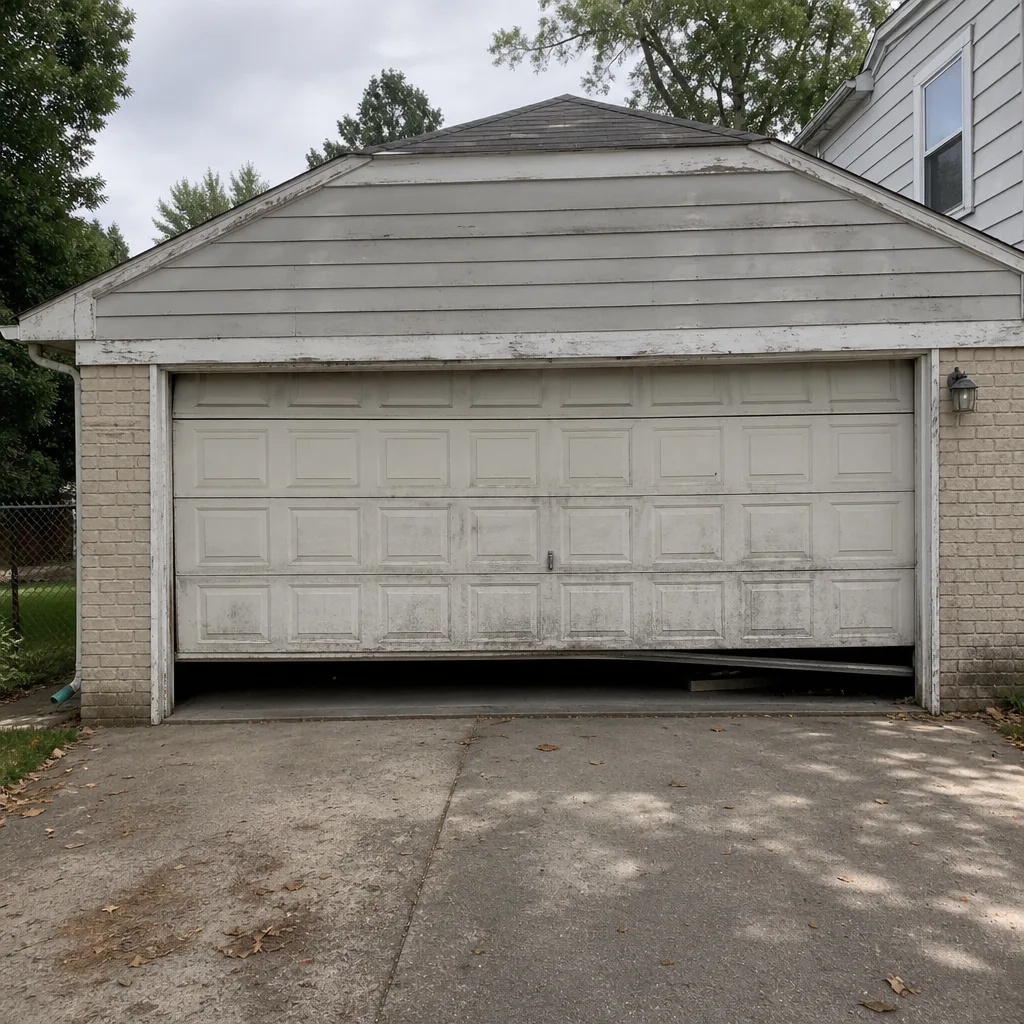 Before
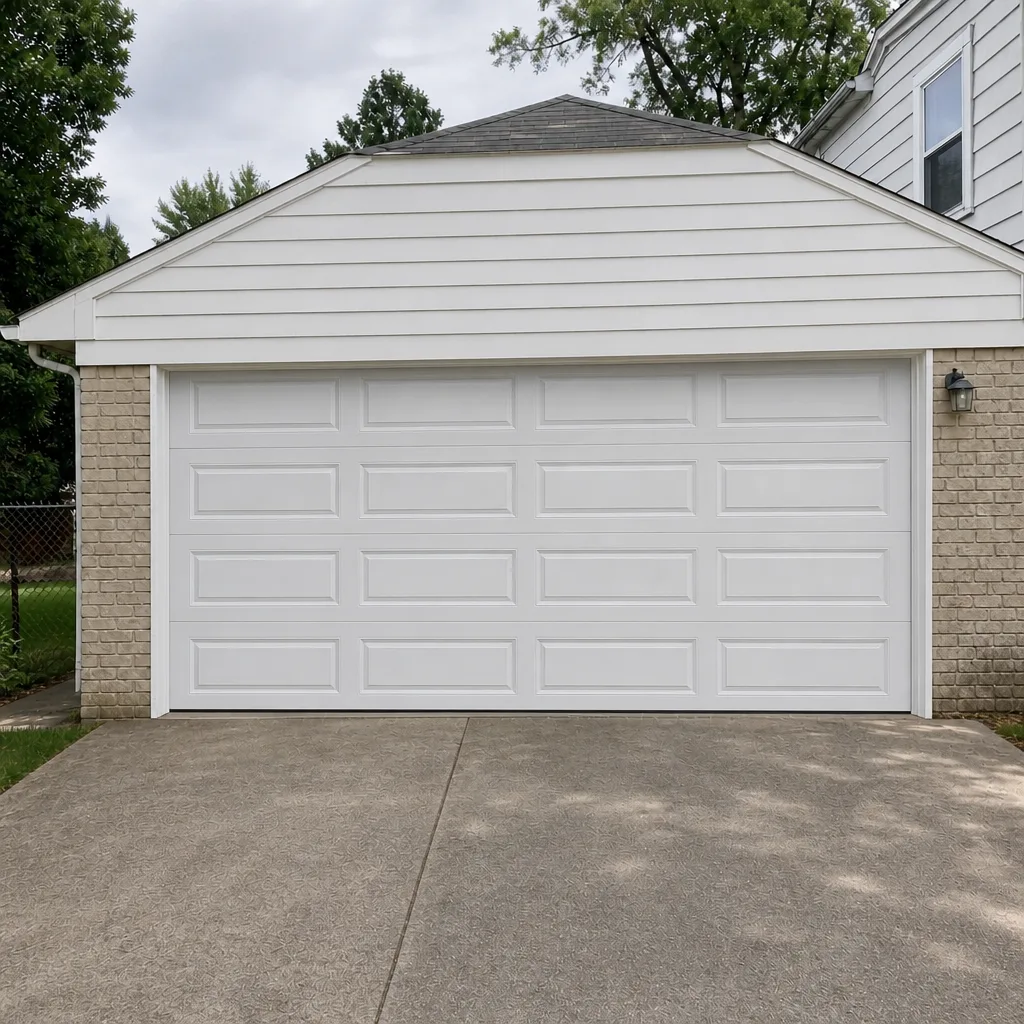 After
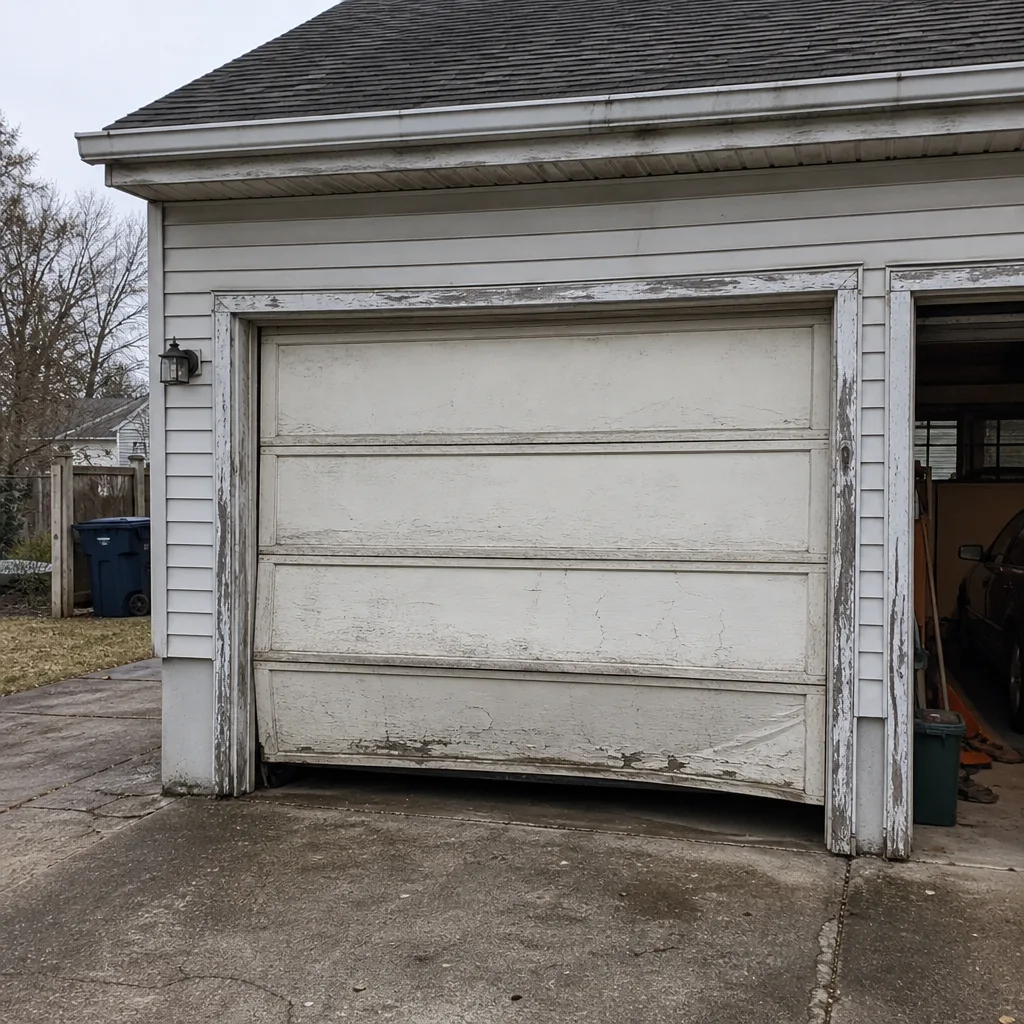 Before
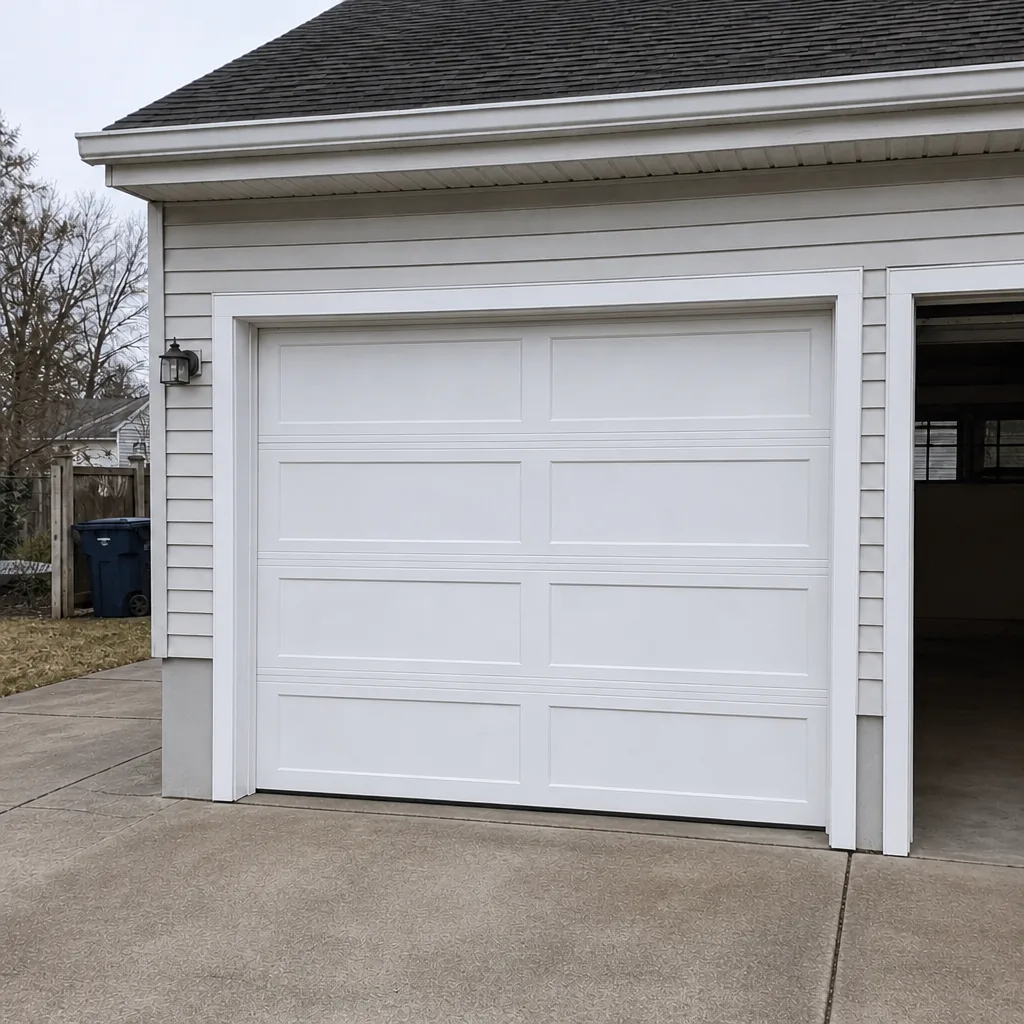 After
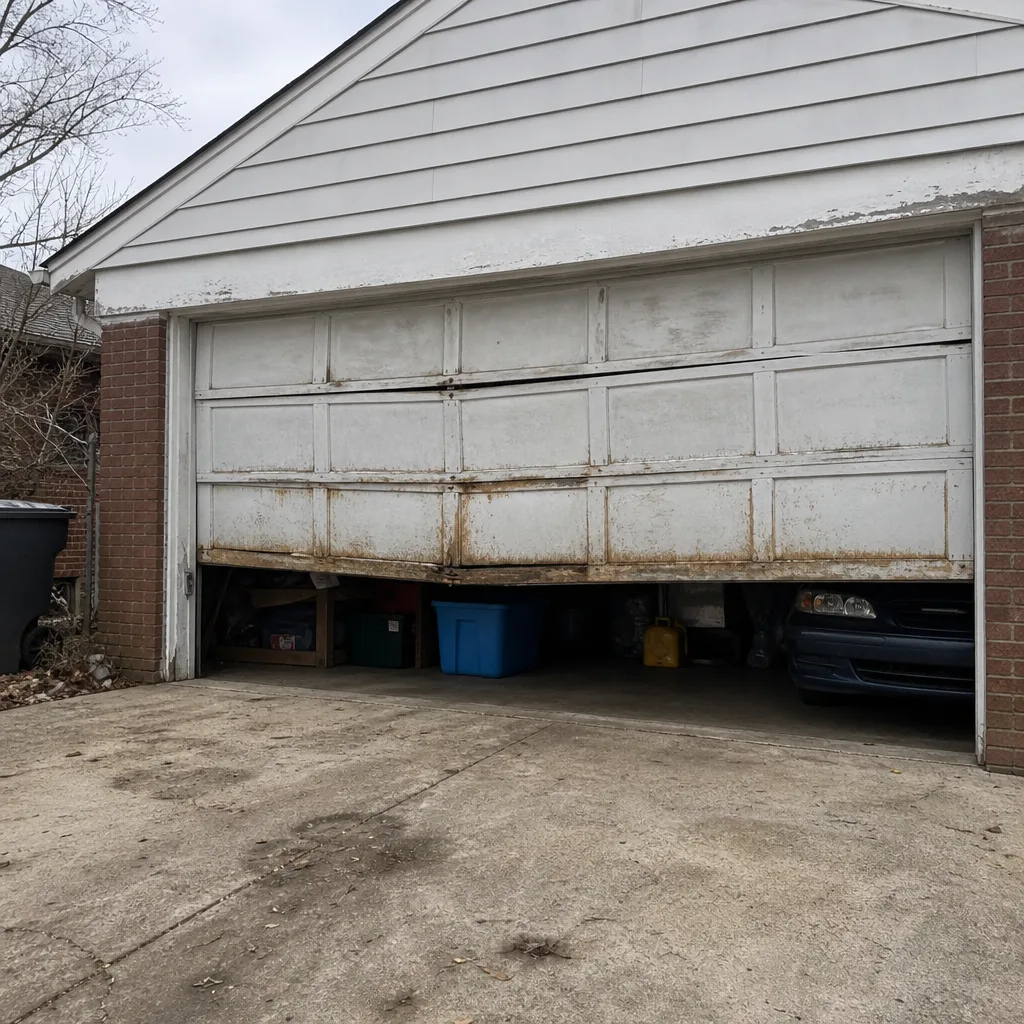 Before
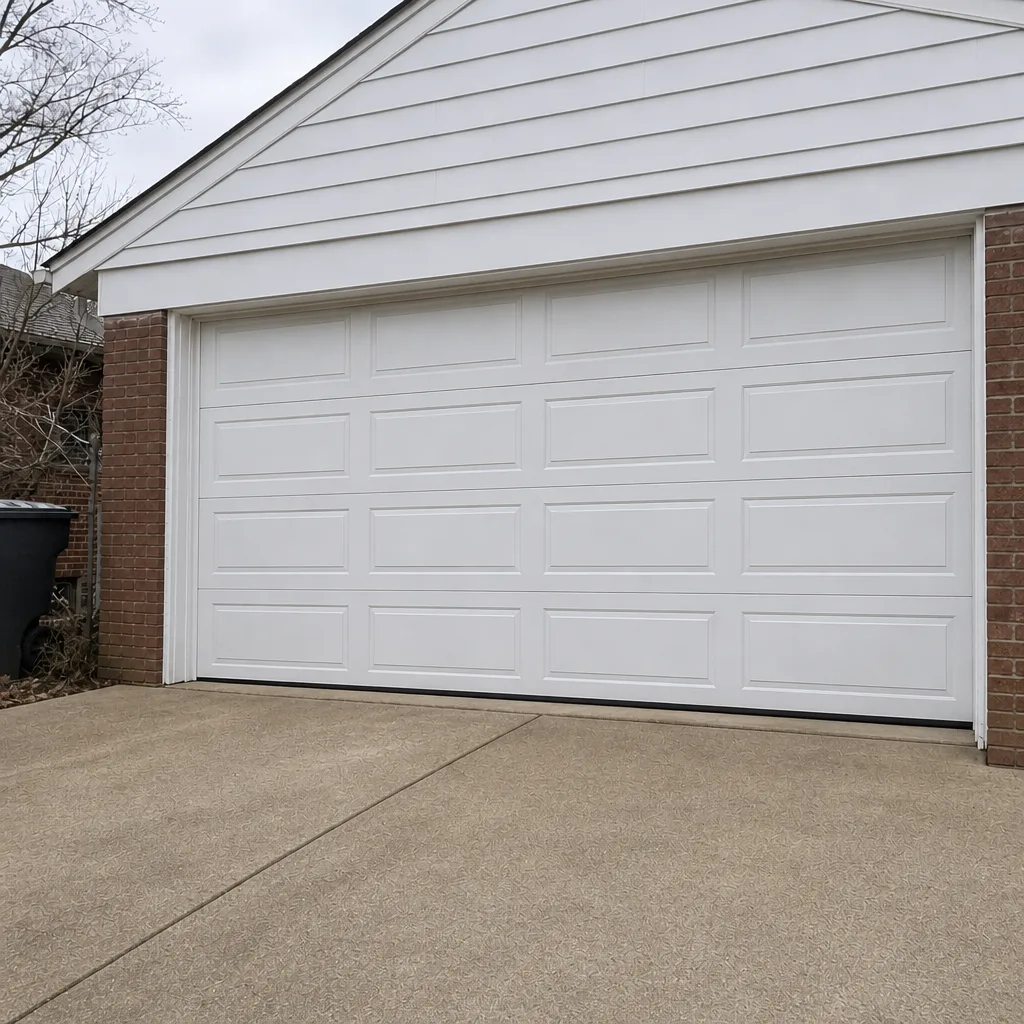 After
When to Call a Professional
Some garage door problems are safe to work through on your own. Others aren’t. Call a technician for anything involving a snapped spring, a cable that’s off, visibly bent hardware, a door that’s come out of its track, an opener that hums without moving, or a door that won’t stay in position after the manual release is pulled. Call immediately if anyone is trapped or a car is stuck and needs to be gotten out. For less urgent problems, a routine visit catches most of them before they turn into an emergency. Wilmington Garage Door Repair Pros offers free estimates in Wilmington – call (877) 492-2046. We work on nearly every major brand, including LiftMaster, Chamberlain, Genie, Clopay, Amarr, Wayne Dalton, Craftsman, and Raynor, and one call covers both the door and the opener side of the job. Prices are quoted and agreed before any work starts, and if you’re weighing repair against replacement, we’ll tell you which one the door actually needs.
Frequently Asked Questions
Pull the red release cord hanging from the opener rail with the door fully closed, then lift the door slowly by hand. The cord disconnects the door from the opener so it can be moved manually. If the cord is missing, look for the release lever on the carriage itself. Most Genie and Chamberlain openers have one accessible from the side.
Leave the door where it is, keep everyone away from it, and call for service. Do not touch the spring hardware or try to lift the door by hand. If the door is partially open, prop it so it can’t come down, then call (877) 492-2046. Emergency service is available.
Storm damage to a garage door is generally covered under standard homeowners insurance, but mechanical failures like a worn spring or a failed opener usually aren’t. Photograph your door, opener, and springs before storm season so you have documentation if you need to file a claim.
It’s a true emergency if a spring has snapped and the door isn’t secure, a cable is visibly off, a door is off its track, or someone is trapped. It can generally wait if the door is closed and secure and only the opener is malfunctioning. When in doubt, call: the conversation is free.
The most common cause in Wilmington homes is temperature-related. Cold evenings shrink cables and stiffen spring tension, and an opener that’s near the end of its force adjustment can fail to lift the door as the temperature drops. A technician can check the door balance and the opener’s force setting in one visit and correct both.
Only with hardware specified for your door’s make and model. Generic struts can void the warranty and don’t match the door’s wind-load rating. Ask your insurance carrier what documentation they need and have a technician look at the door’s current stiffness and hinge condition before storm season.
The Bottom Line
Most Wilmington garage door emergencies are preventable. The mechanical failures come from worn springs, cables, and openers that were never inspected. The storm failures come from older single-skin doors and perimeter seals that haven’t been tested. The power-outage failures come from a red cord that’s never been pulled. Learn your opener’s manual release before you need it. Run the seven-item checklist before storm season. Keep everyone clear of a door with a broken spring, and call for help instead of forcing the door. When something does go wrong, whether it’s a snapped spring, a jammed opener, or a door that won’t close after a storm, call Wilmington Garage Door Repair Pros at (877) 492-2046 for a free estimate. We work on nearly every major brand and cover the door and the opener in one visit.
Related Wilmington Garage Door Guides
If you’re starting from the beginning or trying to sort out which service you need, the Wilmington Garage Door Repair Pros homepage walks through the full range of services and how a visit works. For a broken spring, look at garage door spring repair; for an opener that hums, won’t respond, or has lost force, look at garage door opener repair; and for panels, tracks, rollers, or general tune-ups, look at garage door repair.
Written by the team at Wilmington Garage Door Repair Pros.