Last updated November 21, 2026
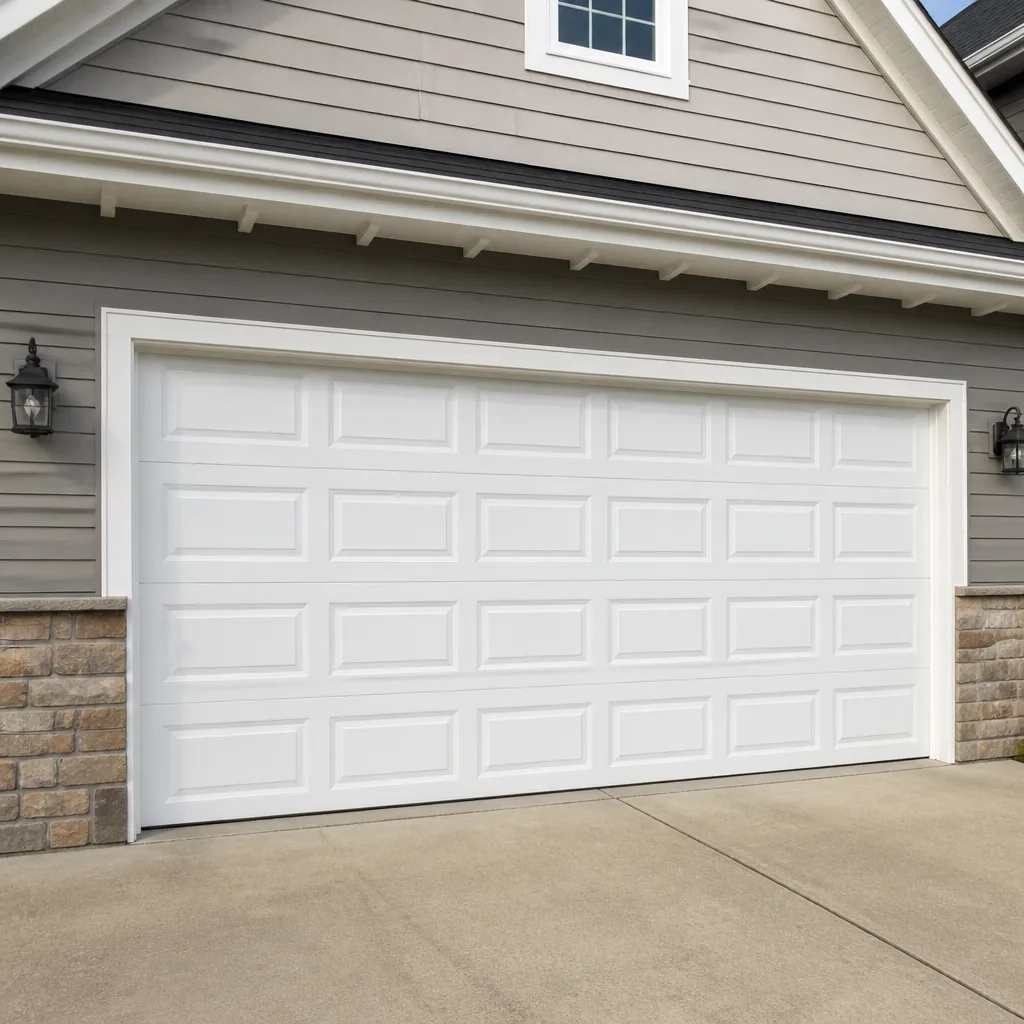 Raised-panel steel
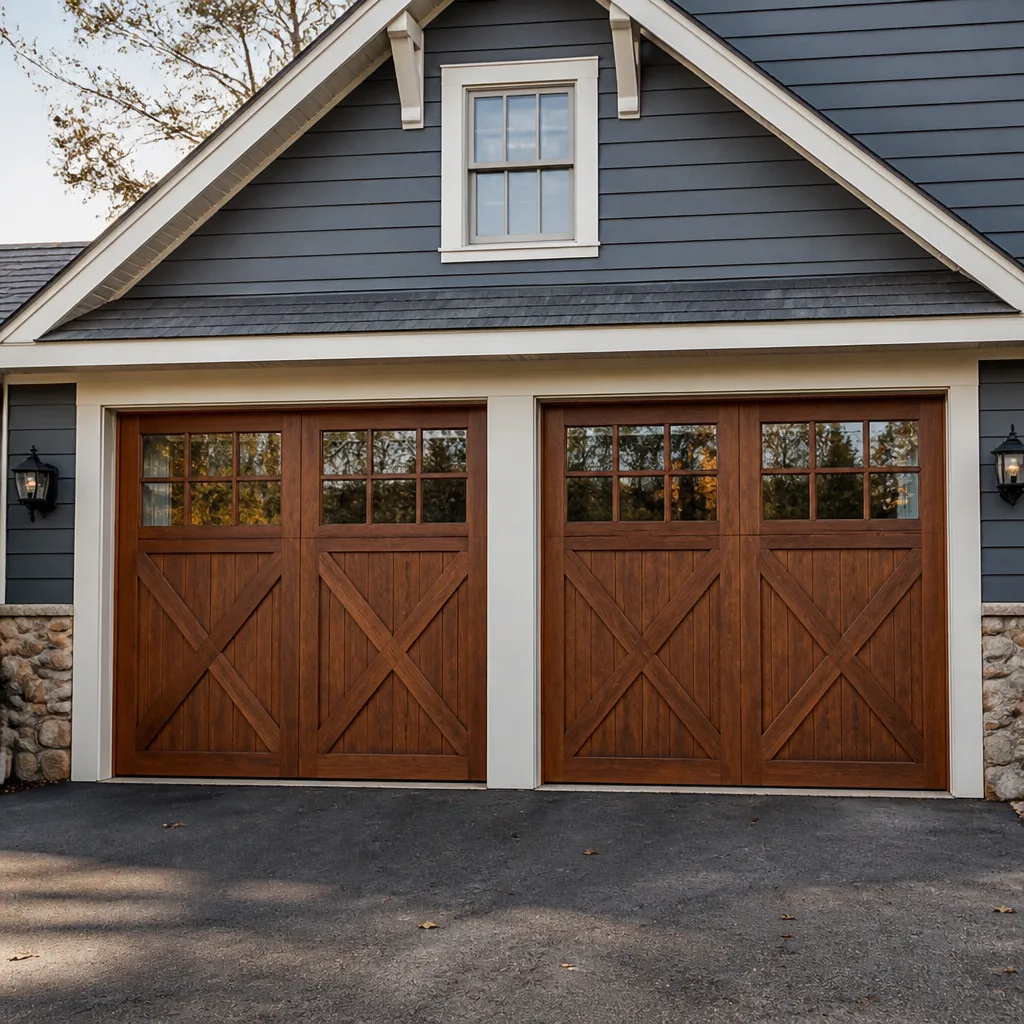 Carriage house
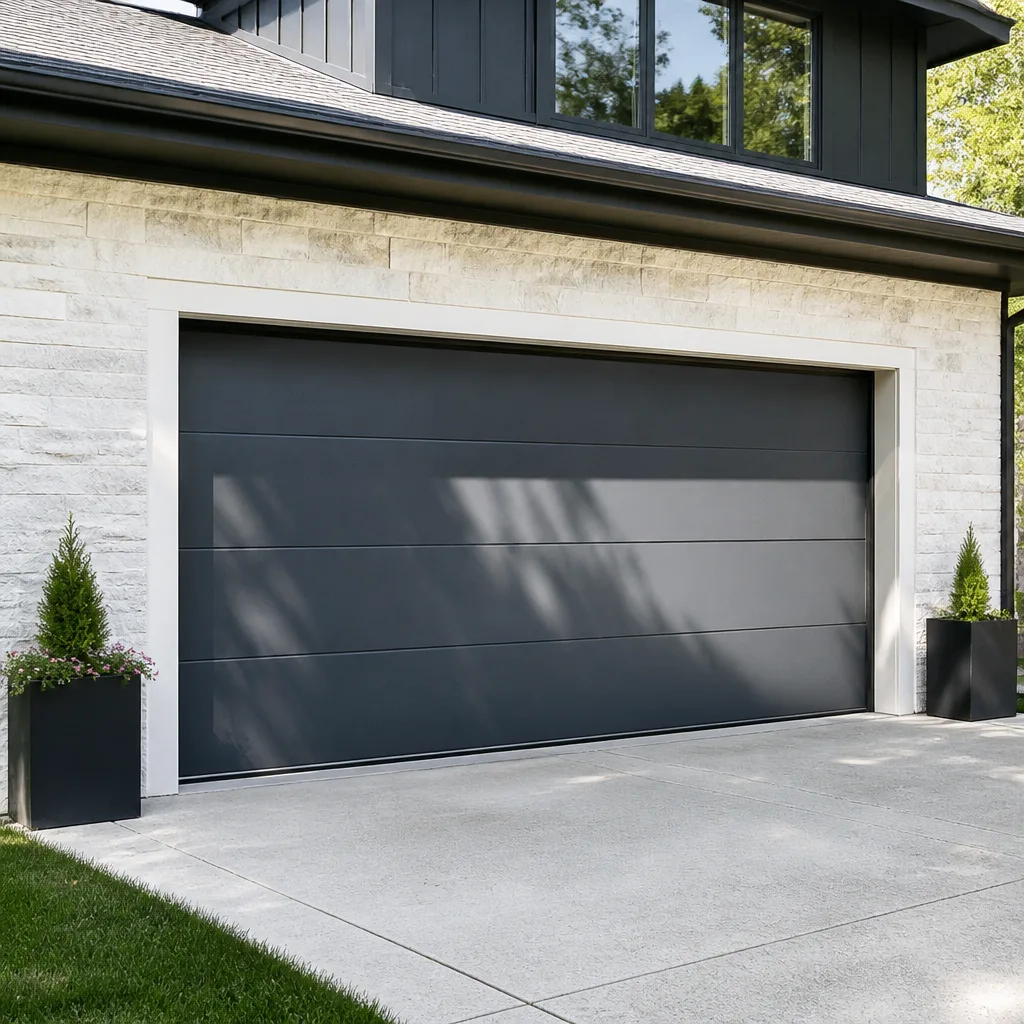 Modern flush
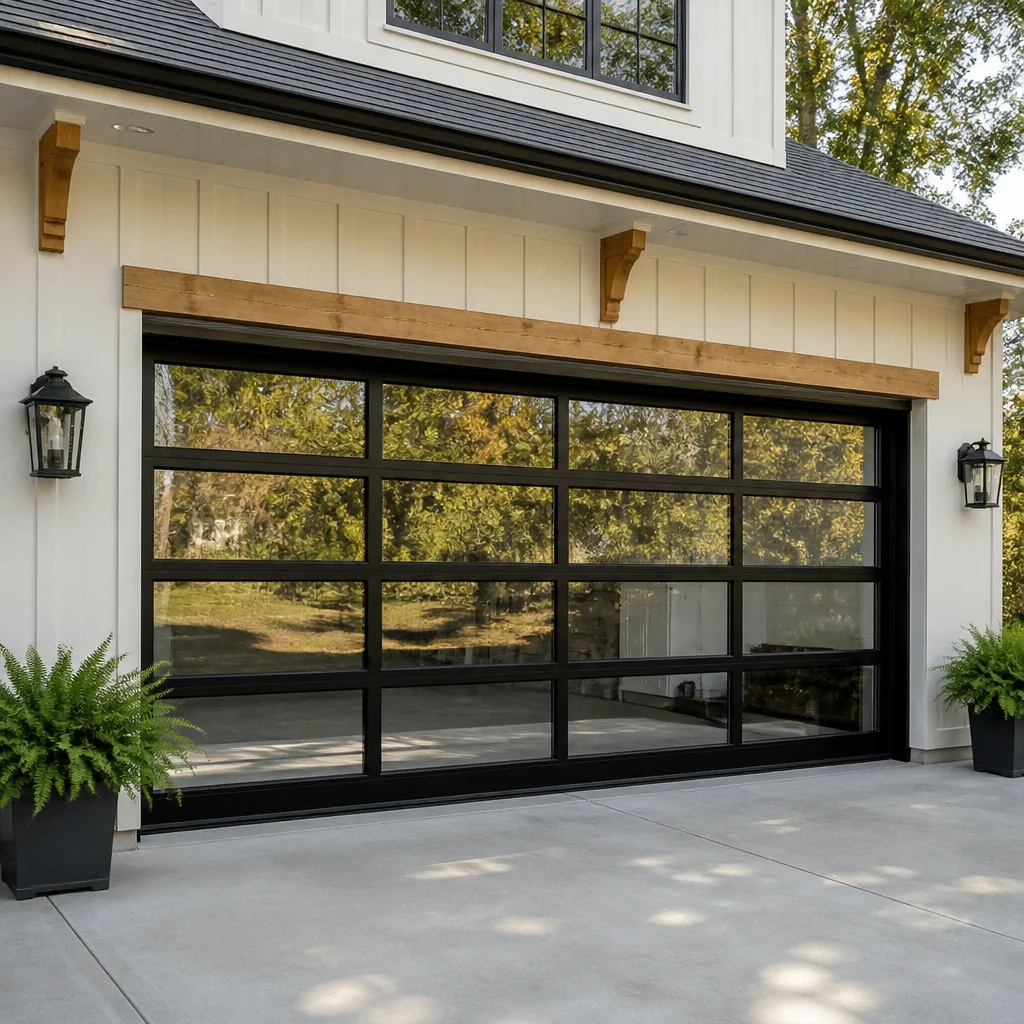 Full-view glass
 LiftMaster openers
 Chamberlain openers
Full 25-point door and opener safety check with every visit - springs, cables, rollers, tracks, and your LiftMaster or Chamberlain opener included
You get a price before we start. It does not change when the pro arrives.
Get your free estimateGarage Door Permits, Codes & Inspections in Wilmington, DE: What You Need to Know
Here’s the thing about garage door permits in Wilmington: the rules aren’t the same everywhere in New Castle County. A full door replacement in the city of Wilmington can require a permit under circumstances where the identical job in Hockessin, Newark, or an unincorporated part of the county would not. Most homeowners never think about this until a buyer’s home inspector flags the work during a sale, and by then the paperwork problem is yours to fix. This guide breaks down when a permit is required in the city versus the county versus adjacent municipalities, which code chapters govern the work, what inspectors actually look at, and how to handle a previous owner’s unpermitted installation.
Quick Answer
Garage door permit requirements in Wilmington, DE depend on the scope of the work and where you live. A like-for-like repair (springs, cables, openers, rollers) generally doesn’t require a permit, but a full door replacement, a change to the opening’s structure, or the addition of a new overhead door typically does in the city of Wilmington and can require one in parts of New Castle County. The governing standards are drawn from the International Residential Code (IRC) chapters on building, fire separation, and garage construction, adopted and amended locally. Always confirm the current rule with the city’s Department of Licenses and Inspections before the work starts.
Styles & brands we work with
- Raised-panel steel
- Carriage house
- Modern flush
- Full-view glass
- LiftMaster openers
- Chamberlain openers
Table of Contents
- When Is a Permit Required for Garage Door Work?
- City of Wilmington vs. New Castle County vs. Neighboring Townships
- The Delaware Code Chapters That Govern Garage Doors
- Fire-Rated Doors for Attached Garages: What Qualifies
- What an Inspection Actually Consists Of
- Handling a Previous Owner’s Unpermitted Garage Door Work
- When You Should Pull a Permit and When You Don’t Need One
- Common Mistakes to Avoid
When Is a Permit Required for Garage Door Work?
A permit is generally required when you replace or install a garage door, alter the structural opening, or add a new overhead door to a building. Routine repair of the existing door’s mechanical parts usually doesn’t trigger one. The dividing line is whether the work touches the structure or the building envelope versus whether it simply restores the door’s function.
In our experience across jobs in Wilmington, here’s how the split usually falls:
- Usually no permit: replacing a broken spring, restringing cables, swapping rollers or hinges, replacing weather seals, repairing or replacing an opener head unit, adjusting track alignment.
- Usually a permit: installing a new garage door where none existed, replacing an entire door and track assembly with a different size or opening, changing the header or framing, installing a door on a new garage, converting a carport to a garage, replacing a fire-rated door between a garage and the house.
- Depends on local interpretation: a same-size door swap where the opening framing is untouched. Some jurisdictions treat this as a minor repair; others want a permit because the door itself is a building component. Wilmington leans toward requiring one for full door replacement.
The reason it matters isn’t just the fee. Unpermitted structural work can create a disclosure problem when you sell, and inspectors responding to a buyer’s due-diligence request will flag missing permits. If you’re not sure whether your job needs one, ask the city’s building department before scheduling the install. When the work is caught early, it’s a straightforward filing. Months later, it’s a headache.
City of Wilmington vs. New Castle County vs. Neighboring Townships
This is where most homeowners get it wrong. The city of Wilmington, unincorporated New Castle County, and the adjacent municipalities each run their own permit offices, and their rules for garage doors aren’t perfectly aligned. The same job can require a permit in one place and not in the next.
Here’s a rough side-by-side of how the three tiers tend to treat garage door work:
- City of Wilmington: Issues permits through its Department of Licenses and Inspections. A full garage door replacement in the city generally requires a permit, especially where the door is a rated assembly (for example, a door between an attached garage and the house) or the opening’s dimensions change. The city has its own inspection scheduling and its own fee schedule.
- Unincorporated New Castle County: For homes outside the city but within the county, permit authority sits with the county Land Use office. A same-size replacement is often treated more liberally than a structural alteration, but replacing a fire-rated assembly still usually requires a permit and inspection. Confirm the exact rule with the county before assuming the work is exempt.
- Neighboring townships and municipalities: Towns like Hockessin, Newark, and the smaller incorporated towns each have their own code offices. Some adopt the IRC wholesale; others layer on local amendments. A door replacement that triggers a permit in Wilmington may go unregulated in one township and require a permit in another.
If you’re near the city-county line, check which office has jurisdiction before you buy a door. It’s the single most common paperwork error we see. And if you’re replacing a fire-rated door between your attached garage and living space, that’s the job most likely to require a permit in every tier – because that door is a life-safety component, not just a convenience.
The Delaware Code Chapters That Govern Garage Doors
Garage door installations in Delaware are governed largely by the International Residential Code (IRC), adopted and locally amended by the jurisdiction with permit authority. Most contractors reference three IRC chapters when they explain a garage door job to a homeowner: Chapter 3 (building planning, including garage separation), Chapter 7 (wall covering and fire separation between garage and living space), and the manufacturer’s installation instructions, which are incorporated by reference and treated as code for the door assembly itself.
How those chapters apply in practice:
- IRC Chapter 3 (Building Planning): Sets the rules for how a garage is separated from the habitable portion of a dwelling, including the fire separation requirements between an attached garage and the house. The garage door itself isn’t a Chapter 3 item unless the opening is part of the separation assembly.
- IRC Chapter 7 (Wall Covering): Governs construction and fire separation where a garage wall abuts the house. Doors between the house and garage are typically treated as a fire-rated opening, not a standard overhead door.
- Manufacturer’s instructions and the door’s listing: The door’s wind-load rating, installation method, and anchoring details are dictated by the manufacturer’s published instructions and by the listing of the assembly. Your local code office adopts those by reference. Following the manufacturer’
s instructions is not optional.
Two practical cautions. First, local amendments matter. Delaware jurisdictions have layered on their own rules, and the version of the IRC in effect can vary between offices. The safe move is to ask the city or county which edition and which amendments they’re enforcing. Second, we don’t quote code sections or paraphrase amendments from memory. Codes get revised. If a specific code section controls your job, pull it from the office that has jurisdiction, not from a website. If you’re planning a new door and want the installation to match what the inspector will look for, a company that reads the manufacturer’s instructions for the door you’re installing is the right call.
Fire-Rated Doors for Attached Garages: What Qualifies
A door between an attached garage and the house is a fire-rated assembly, and it’s the component that trips most homeowners up. A standard hollow-core or solid-core interior door isn’t automatically rated for that opening. An inspector will check whether the door, the frame, the hardware, and the self-closing mechanism together form the rated assembly the code requires.
What inspectors typically look for on a garage-to-house door:
- A rated door assembly, matched to the rating required for that wall (the spec comes from your jurisdiction, not a website).
- Well-fitted framing and seals, so the assembly performs as tested.
- Self-closing hardware so the door can’t be left open into the living space.
- A proper threshold and weather seal at the base, keeping the garage atmosphere out of the house.
- No modifications after installation that would void the listing (extra hardware, holes, unsupported hardware weights, wedged-open closers).
Common door styles that fail the test: standard interior doors used in a spot meant for a rated assembly; pre-hung doors with mismatched hardware; doors that were cut down in the field to fit; and doors where the self-closer has been removed because it was “annoying.” If you’re installing a new garage door or replacing an interior door at the garage-to-house opening, confirm the assembly’s rating before the truck arrives. This is the highest-consequence permit item in the whole garage door area, and inspectors are attentive to it.
What an Inspection Actually Consists Of
For a residential garage door job in Wilmington, the inspection is a one-visit site check, usually scheduled after the door is installed and the opener is functional. The inspector is confirming that what you installed matches the permit application and that the door, the hardware, the separation requirements, and the opener’s safety features are all where they’re supposed to be.
A typical sequence looks like this:
- Permit application: submitted with the scope, the door’s specs, and the manufacturer’s instructions. Your permit office sets the fee and any additional documentation requirements.
- Installation: the door and opener are installed to the manufacturer’s instructions and the permit scope. Don’t change the plan after the permit’s issued without going back to the office.
- Inspection request: you or your contractor calls the office to schedule. Scheduling windows vary; plan for days, not hours.
- On-site inspection: the inspector verifies the door assembly, anchoring, and any fire separation components, plus the opener’s safety features (reverse-on-contact and pressure sensing) where applicable.
- Sign-off: the permit closes on approval, and you keep the record for your file. That sign-off matters at resale.
How long it takes in practice depends on the office’s queue and the project’s complexity. A simple replacement in Wilmington is usually a single inspection. A structural alteration or a new door on a new opening may involve more than one visit. Build the inspection window into your schedule, especially if you’re listing the house. And if a repair is urgent in the meantime, a spring failure or an opener that won’t reverse, don’t wait on the permit process for a mechanical fix. That’s when it makes sense to garage door spring repair or an opener visit, which often falls outside the permit world entirely.
Handling a Previous Owner’s Unpermitted Garage Door Work
You bought a house, and the garage door was replaced by the previous owner without a permit. Maybe they installed a new door and opener themselves, maybe they swapped in a fire-rated door that wasn’t actually rated, or maybe they opened up a framing change that was never inspected. Now you’re selling, and the buyer’s inspector flags it. This is a solvable problem, and the solution is boringly practical.
Here’s the sequence we’d walk you through:
- Identify what was actually done. Pull the property’s permit history from the city or county, and compare it against what’s installed. Some unpermitted work is cosmetic; some involves a rated assembly or a framing change.
- Decide whether to disclose or correct. Disclosing unpermitted work to the buyer is the path most sellers take. Correcting it means going back to the permit office and asking about a retroactive permit or the office’s procedure for legalizing existing work.
- Get the assembly checked. If the questionable work is at the garage-to-house opening, have a qualified technician confirm whether the door meets the rated-assembly requirements before the buyer’s inspector gets there. If it doesn’t, plan to replace it with a compliant assembly.
- Inspect the mechanical components. An unpermitted door may still have been installed to the manufacturer’s instructions. Inspect the springs, cables, and opener for safety features that would fail a proper inspection. Sometimes the fix is mechanical, not paperwork.
- Document everything. Keep the permit history, the inspection report, and any receipts. If you go the correction route, the permit sign-off goes in the file for the sale.
The worst move is to ignore it. Ignoring an unpermitted fire-rated opening can become a safety issue for you long before it becomes a sale problem. The second-worst move is panic. Most unpermitted work can be legalized or disclosed. Ask the office first, then plan the mechanical side. If you want an honest read on whether to repair the existing door or replace it with a compliant one, ask a company that handles both. We can give you garage door repair guidance or a replacement estimate, and the answer is fine either way.
When You Should Pull a Permit and When You Don’t Need One
Permit requirements aren’t a blanket rule, they’re a scope test. Pull a permit when the work changes the building, its envelope, or a rated assembly. Skip it when the work restores the door’s original function and touches none of those. The trick is knowing which side of the line your job falls on.
Pull a permit for:
- A new garage door installation or a full door replacement with a change in size or opening.
- A framing change to the door opening (a taller or wider door, a new header).
- Adding a new overhead door to an existing opening.
- Replacing a fire-rated door between an attached garage and the house.
- Converting a carport to an enclosed garage.
You usually don’t need a permit for:
- Spring, cable, roller, hinge, or track repairs.
- Opener replacement with an equivalent unit.
- Weather stripping, seals, and thresholds (unless they’re part of a rated assembly).
- Routine maintenance and balancing.
If you’re not sure, call the permit office. A brief conversation is cheaper than a correction. If the door is functional but has a failing opener, that’s not a permit issue in most jurisdictions, and a company that handles garage door opener repair can fix it quickly.
Common Mistakes to Avoid
- Assuming the city and county rules are identical. They aren’t. A door replacement that requires a permit in the city of Wilmington may go unregulated in an adjacent township. Check jurisdiction before you buy the door.
- Treating a fire-rated door as a decorative upgrade. A door between an attached garage and the house is a life-safety assembly. Replacing it with a standard interior door that looks right but isn’t rated can fail inspection and create a real safety problem.
- Skipping the permit on a same-size swap. “It’s the same size, so it’s not structural” is a common belief, and it’s often wrong. Some jurisdictions want the permit even when the opening doesn’t change.
- Changing the plan after the permit is issued. A permit matches a scope. If the door you install differs from the application, the inspector will notice. Go back to the office before you deviate.
- Throwing away the manufacturer’s instructions. Inspectors typically want the instructions that came with the door. Keep them with the permit records.
- Burying an unpermitted job instead of addressing it. If you’re selling and the buyer’s inspector flags unpermitted work, address it. Disclose or correct. Hiding it is what turns a paperwork problem into a legal one.
- Using a generalist for a rated assembly. A handyman can hang a door. A fire-rated assembly between a garage and living space, and a wind-load-rated overhead door, need someone who reads the manufacturer’s instructions for that specific door. Pick a company that handles the door and the opener together, so the mechanical side and the code side get answered at once.
See the difference
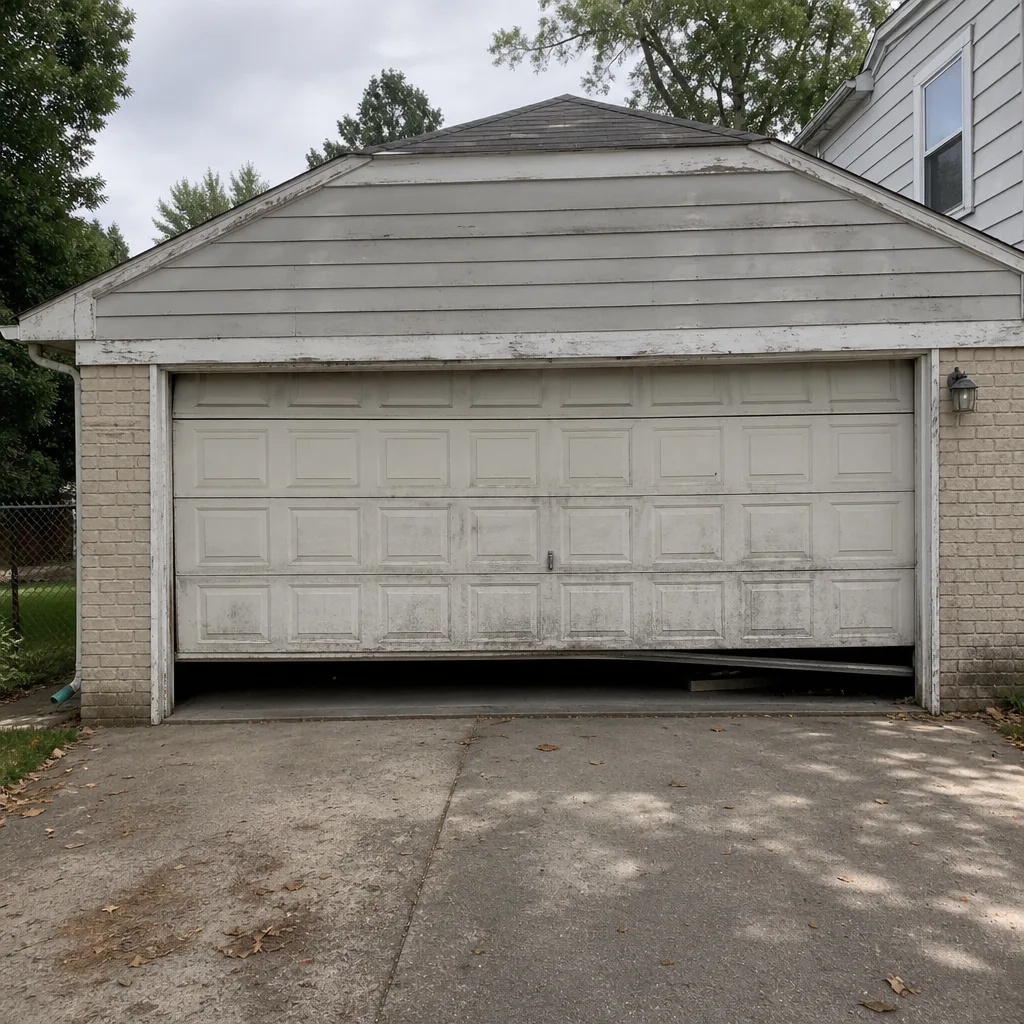 Before
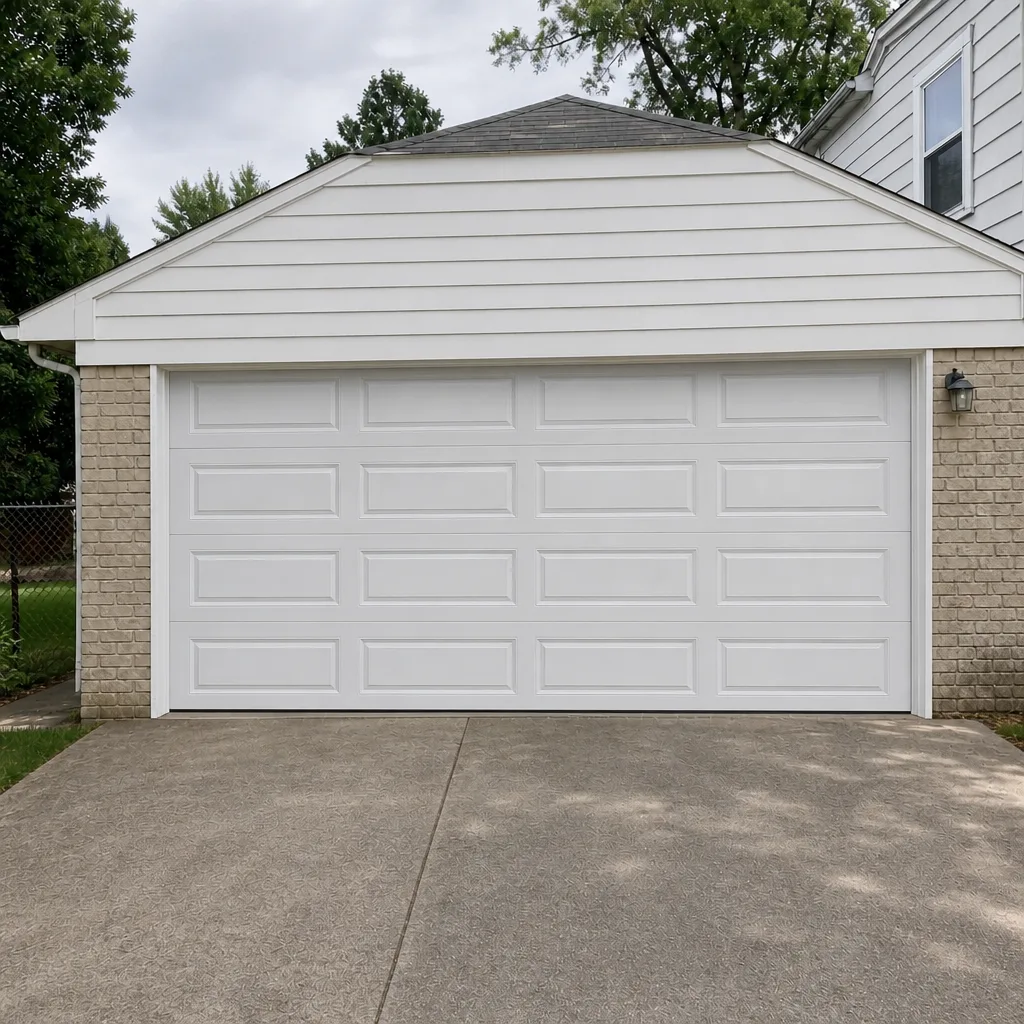 After
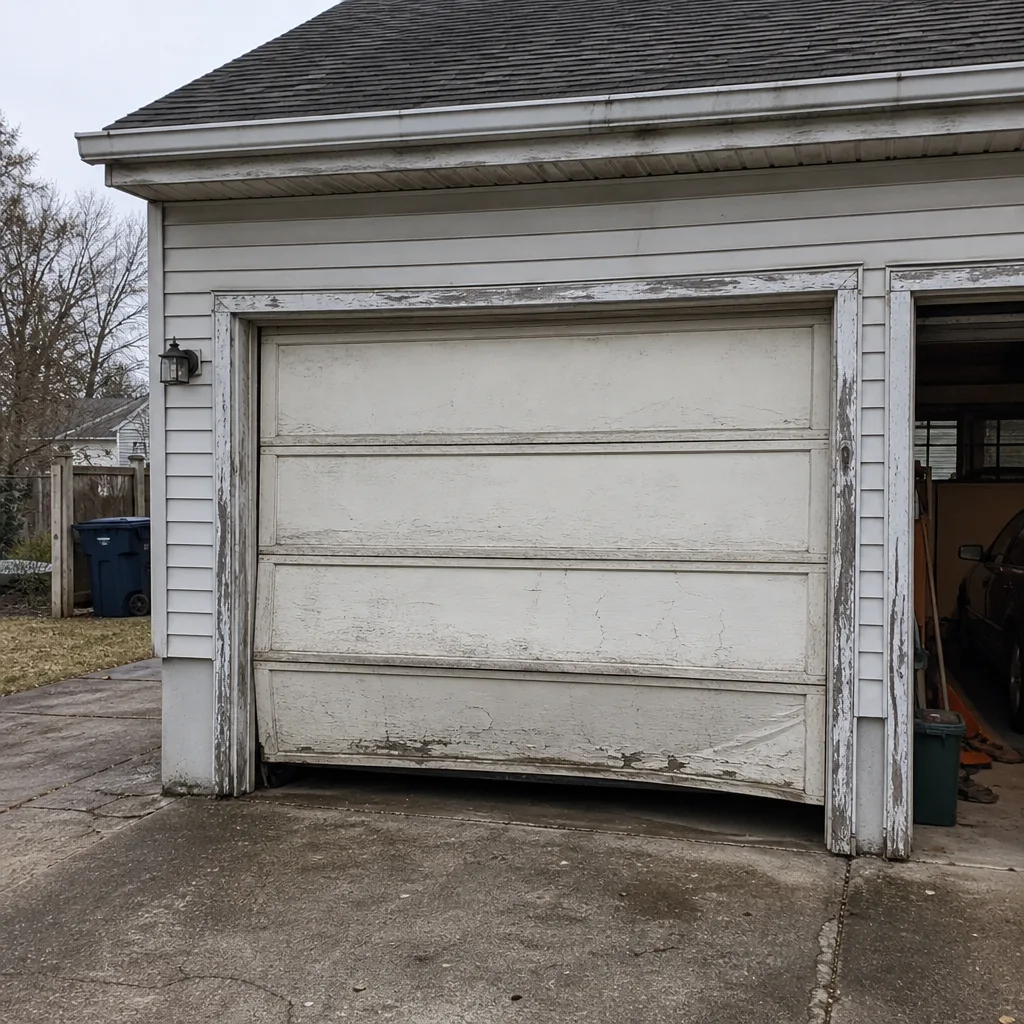 Before
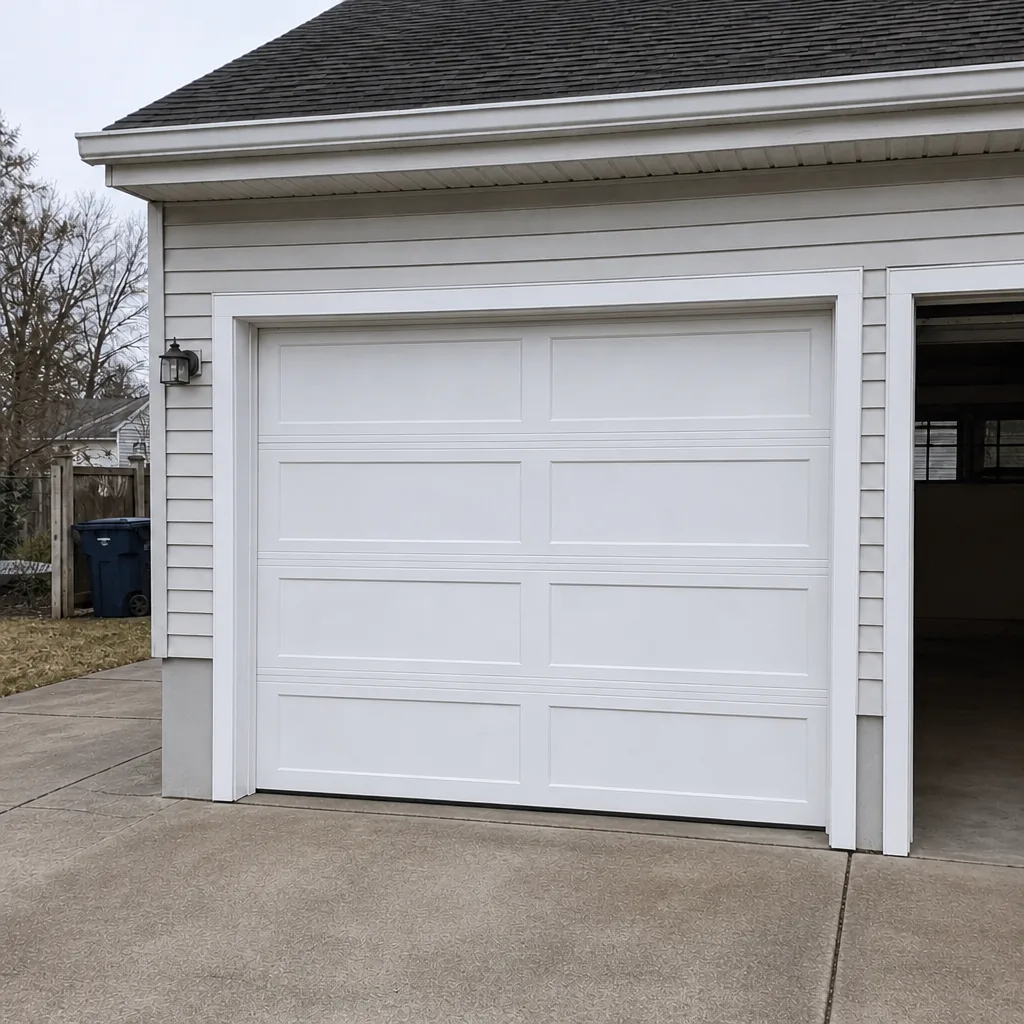 After
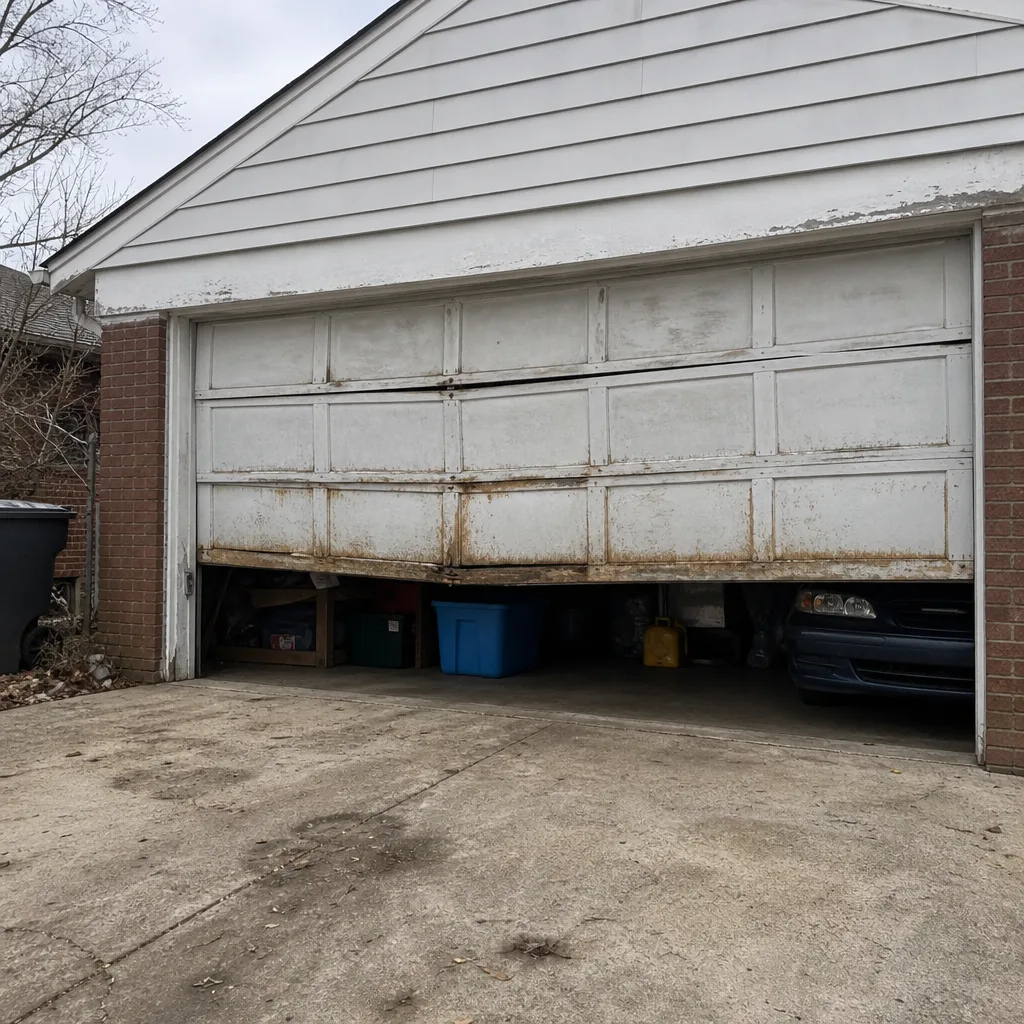 Before
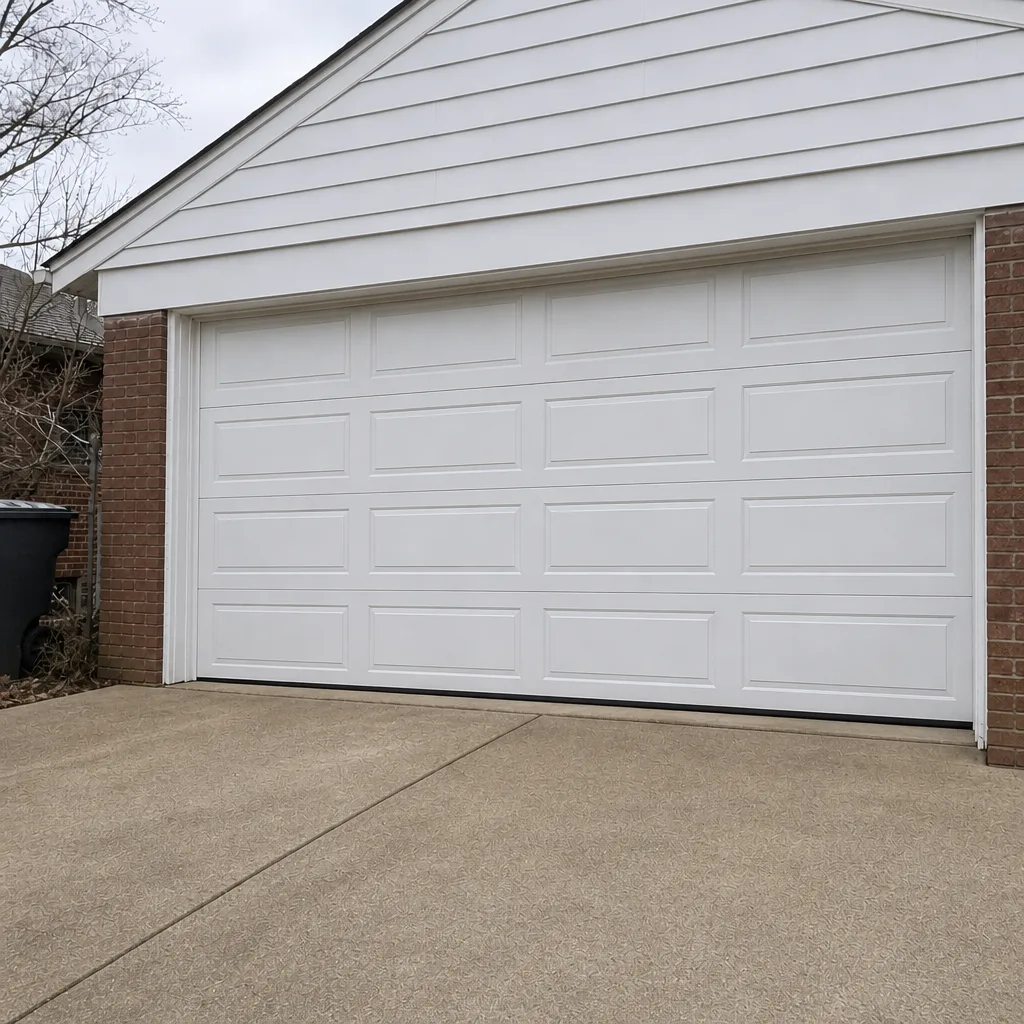 After
When to Call a Professional
Call a professional when the door won’t move, when a spring or cable has failed, when the opener won’t reverse or is making alarming noises, when you’re replacing a door or a fire-rated assembly, or when you’re not sure whether a permit is required and you’d rather not find out during a sale. Springs and cables are genuinely dangerous: they’re under high tension and can cause serious injury, and the work calls for specialized tools and training. Don’t treat them as a homeowner project. Wilmington Garage Door Repair Pros offers free estimates in Wilmington and handles door panels, springs, cables, tracks, openers, and drive systems, from repair to full installation. Call (877) 492-2046. The price is quoted and agreed before any work starts, and a written estimate sets the final price.
Frequently Asked Questions
In most cases, yes. A full garage door replacement in the city of Wilmington typically requires a permit, especially for a rated assembly or a change to the opening. Confirm with the city’s Department of Licenses and Inspections before scheduling the work.
No, mechanical repairs generally don’t require a permit. Springs, cables, rollers, track adjustments, and equivalent opener replacements are usually treated as maintenance, not construction. The permit line is about structural changes and rated assemblies.
Yes, an attached garage is typically separated from the living space by a fire-rated assembly, and the door at that opening is part of that assembly. What qualifies depends on the rating your local jurisdiction requires. A standard interior door without the appropriate rating can fail an inspection.
It turns into a paperwork and safety issue. The buyer’s inspector will flag missing permits, and you’ll need to disclose the unpermitted work or go back to the permit office to correct it. The correction path usually means a retroactive permit and a mechanical check on the assembly. Address it before you list, not after the buyer’s inspection.
The inspector verifies that the installed door matches the permit, that the anchoring and hardware match the manufacturer’s instructions, that any fire separation components are in place, and that the opener’s safety features function. It’s a single site visit in most cases, with scheduling windows you should build into the project timeline.
Look at scope. If the work touches the opening, the framing, a rated assembly, or a new door, expect a permit. If it restores an existing door’s mechanical function, you usually don’t need one. When in doubt, call the jurisdiction’s building department, then call us at (877) 492-2046 for a free estimate on the job itself.
The Bottom Line
Garage door permit rules in Wilmington, DE aren’t a single answer. The city, unincorporated New Castle County, and the adjacent townships each set their own permit and inspection terms, and the same job can fall on different sides of the line depending on where your home sits. What doesn’t vary is the safety side: springs and cables are dangerous, fire-rated assemblies matter, and unpermitted work eventually surfaces. Check your jurisdiction before the door goes in, keep the manufacturer’s instructions, and schedule the inspection into the project. For an honest repair-or-replace answer and a written price, call (877) 492-2046. We handle nearly every major brand, including Amarr, Wayne Dalton, and Raynor, and one call covers the door, the springs, and the opener. Visit Wilmington Garage Door Repair Pros to get started.
Written by the team at Wilmington Garage Door Repair Pros.