Last updated November 21, 2026
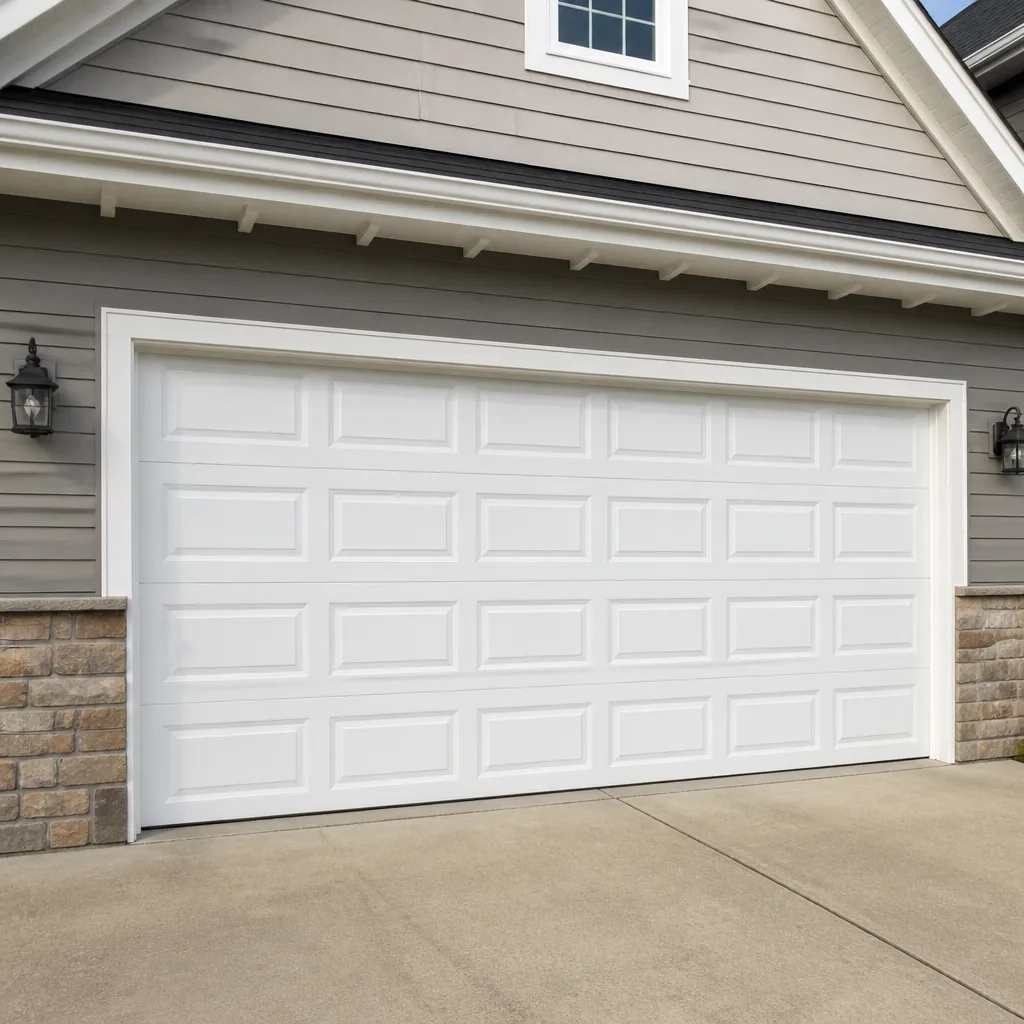 Raised-panel steel
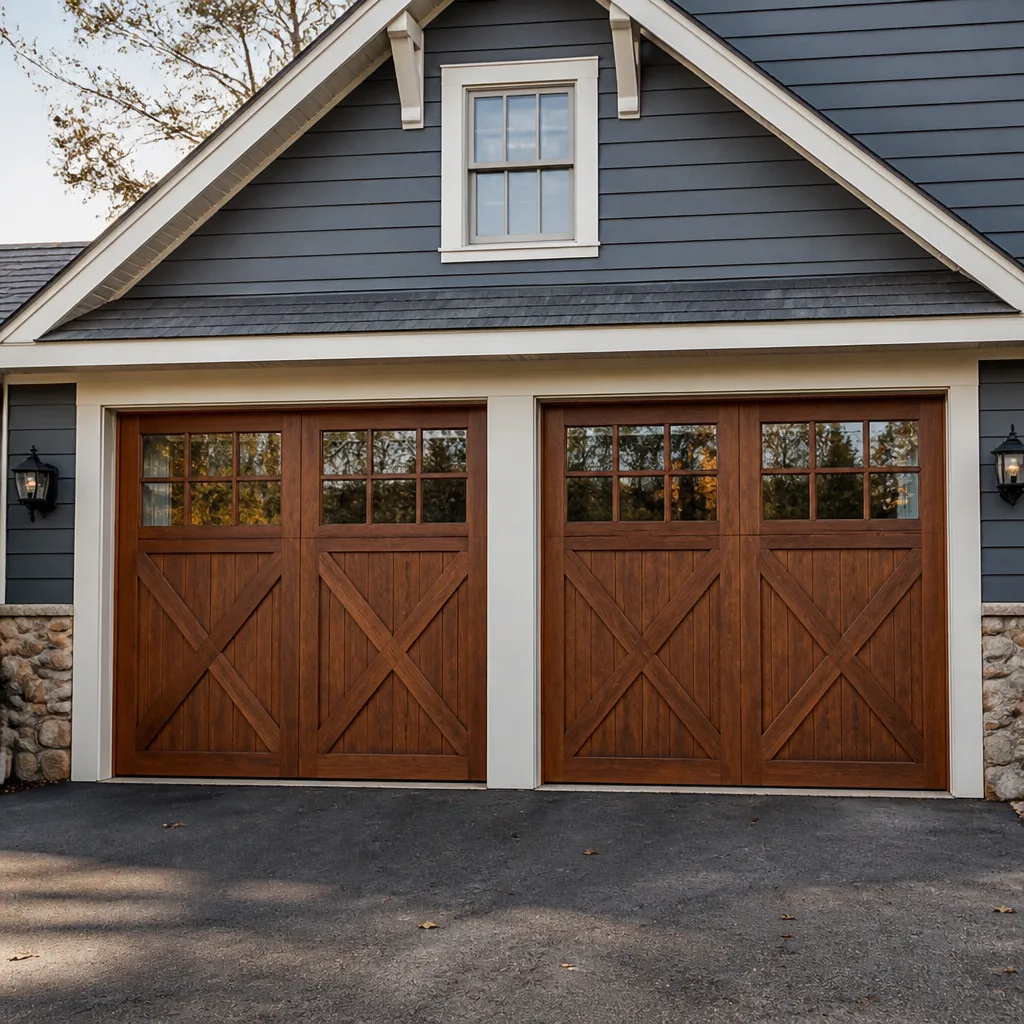 Carriage house
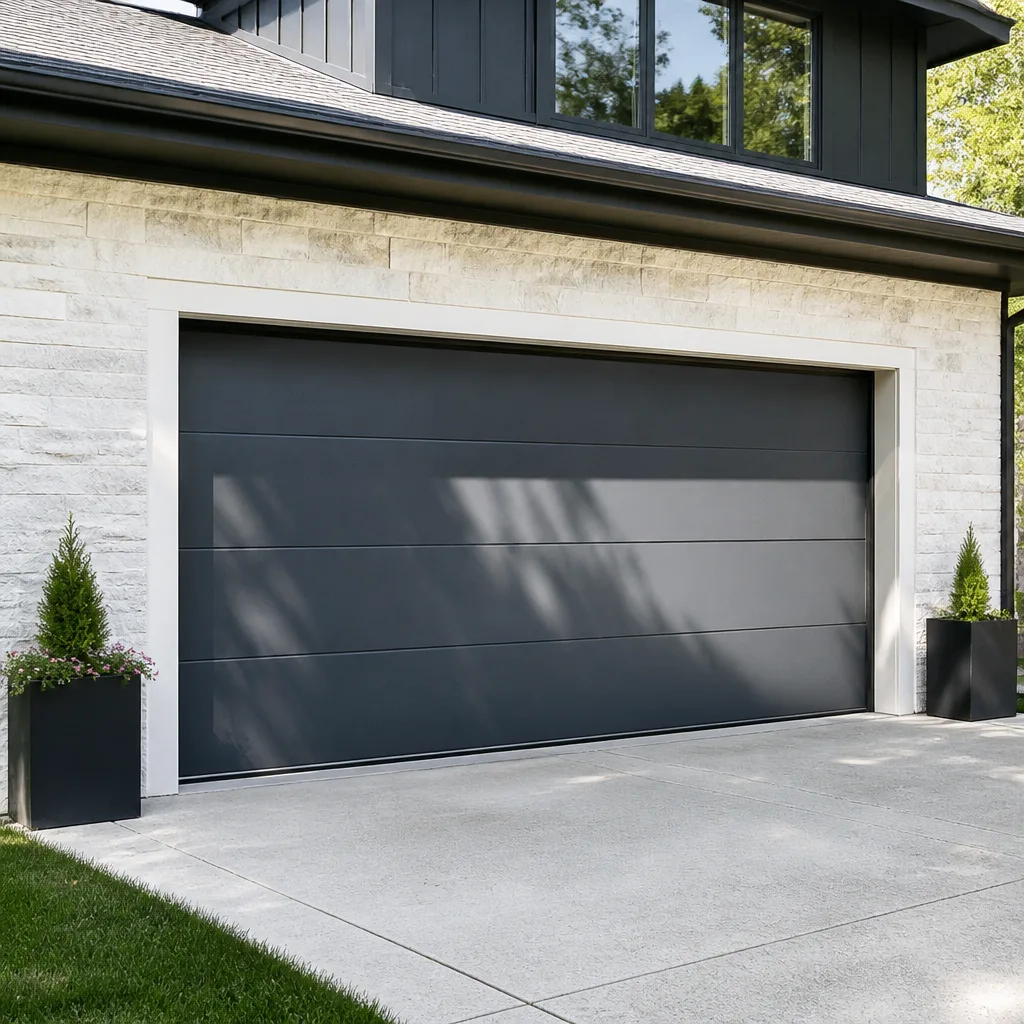 Modern flush
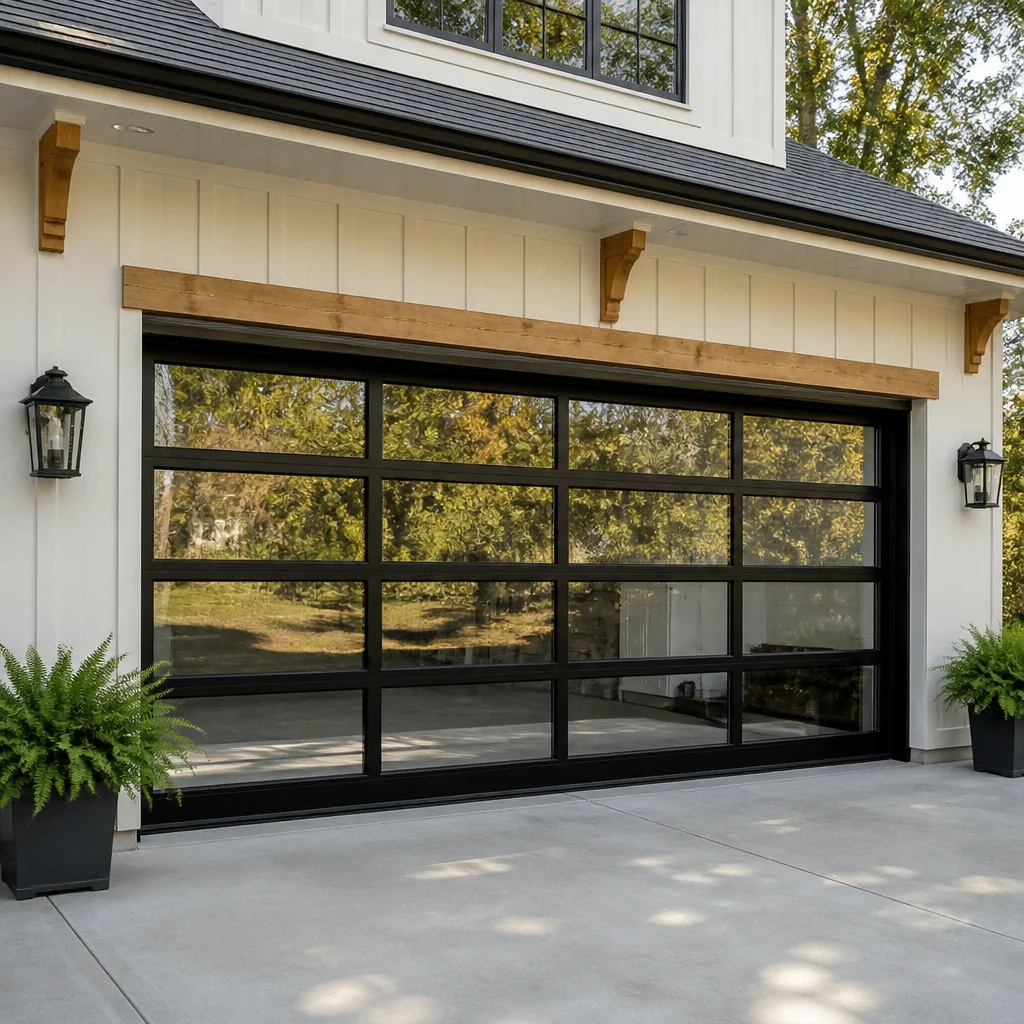 Full-view glass
 LiftMaster openers
 Chamberlain openers
Full 25-point door and opener safety check with every visit - springs, cables, rollers, tracks, and your LiftMaster or Chamberlain opener included
You get a price before we start. It does not change when the pro arrives.
Get your free estimateGarage Door Repair Maintenance Checklist for Wilmington Homeowners
The number one cause of emergency garage door calls in Wilmington isn’t a broken spring or a dead opener. It’s a bottom seal that quietly rotted through, let water work its way under the door, and warped the bottom panel over a couple of winters until the door jammed shut on the coldest morning of the year. Most maintenance lists skip that seal entirely because they’re written for a national audience, not for the freeze-thaw cycle, summer humidity, and wind-driven rain that Mid-Atlantic doors actually live through. This guide ranks the checks that matter here, in the order they fail, and tells you plainly what you can handle yourself and what needs a technician.
Quick Answer
A useful Wilmington garage door maintenance checklist runs monthly, quarterly, and once a year. Monthly, check the bottom seal and threshold for water, listen for grinding or popping, and test the safety reverse. Twice a year, lubricate the springs, hinges, and rollers with a dry or silicone product (not grease, which traps grit in humid weather). Once a year, have a technician inspect cables, torsion springs, and balance, since those are the parts that cause a door to fail without warning.
Styles & brands we work with
- Raised-panel steel
- Carriage house
- Modern flush
- Full-view glass
- LiftMaster openers
- Chamberlain openers
Table of Contents
- Why Wilmington Doors Fail Differently
- The Monthly Checks: Ten Minutes That Prevent Most Emergencies
- The Bottom Seal and Threshold: The Step Everyone Skips
- Lubrication That Holds Up in Mid-Atlantic Humidity
- Torsion Spring Cycle-Life: Estimating What’s Left
- Opener and Drive System Checks
- The Seasonal Checklist
- What You Can Safely Do vs. What Requires a Technician
Why Wilmington Doors Fail Differently
Garage doors in Wilmington take a beating that a door in Arizona or coastal Florida simply doesn’t. The Delaware Valley swings through humid summers in the mid-80s and damp winters that hover near freezing, and that back-and-forth works on a door in two ways. First, wood and steel expand and cool repeatedly, which loosens fasteners and stresses the panels at their seams. Second, water that gets past the bottom seal doesn’t evaporate fast in humid air, so it sits against the bottom panel and the track brackets instead of drying out.
Drive through older neighborhoods like Hedgeville or Browntown and you’ll see plenty of doors where the bottom section has swollen or started to delaminate. That’s usually not an old door problem. It’s a water problem that went unaddressed for a season or two. Newer construction on the edge of the city tends to fail differently, with opener and track issues showing up before panel damage because the doors are lighter and the hardware is more sensitive to a lack of adjustment.
The other factor is use. A typical household opens and closes the door four to six times a day, more if the garage is the main entry. Over a year, that’s roughly 1,500 to 2,200 cycles on the springs. That number matters, and we’ll come back to it, because it’s the best predictor of when a spring will snap.
If you want the wider picture of how doors behave in this area, our main Wilmington Garage Door Repair Pros page covers the common problems we see across the city.
The Monthly Checks: Ten Minutes That Prevent Most Emergencies
Once a month, walk out to the door with the opener disengaged (pull the release handle) and run through this list. Each step takes seconds and catches the failure points before they compound.
- Look at the bottom edge from inside the garage. Any light, moisture, or daylight showing under the door means the seal isn’t seating. Note it and fix it before the next rain.
- Lift the door halfway by hand and let go. A balanced door holds its position. If it drifts down or shoots up, the springs or cables need attention.
- Open and close it by hand and listen. Squeaks, grinding, or a bang at the end of the travel all point to specific parts, not general wear.
- Check the rollers. Wobble in a roller means a worn bearing, and a worn bearing drags on the track and loads the opener.
- Look at the hinges. Loose screws, cracks at the hinge plates, or rust streaks are early warnings of a hinge that’s about to fail.
- Run a visual on the tracks. Dents, misalignment, or debris caught in a track will eventually derail a roller.
- Test the safety reverse. Put a piece of wood flat on the floor under the door and close it. The door must reverse on contact.
If the door won’t lift by hand at all, stop and call for help. A bound door can indicate a broken or dangerously weakened spring, and the next pull can be the one that releases it.
The Bottom Seal and Threshold: The Step Everyone Skips
This is the check that saves the most money and gets skipped the most. The bottom seal is a rubber flap or tube that runs across the bottom of the door panel and sits against the threshold when the door closes. Weather, grit, and the constant press of the door bend and wear that seal. Once it cracks or flattens, water runs under the door and onto the bottom panel. That water doesn’t dry fast in humidity, and over a couple of seasons the panel swells enough to jam the door against the track.
Here’s how to check it properly:
- Close the door and look at the gap. A flashlight or phone light held under the door should not show through. Any visible gap is a leak waiting to happen.
- Run a hand along the seal from inside. Feel for cracks, hard spots, or a seal that’s flattened out and no longer making contact.
- Check the threshold. The raised strip the door lands on can come loose or pitch, letting water pool at the base.
- Look for water stains and swelling. Dark streaks on the bottom panel, paint peeling at the seam, or a warped edge all mean water is already getting in.
Replacing a bottom seal is a genuinely manageable homeowner job on most doors and usually means unscrewing the retainer and sliding in a new seal. What’s not manageable is a bottom panel that’s already swollen or delaminated. If the damage has reached the panel, you’re looking at a panel replacement, which our garage door repair team handles with the right parts rather than a patch that fails again next winter.
Lubrication That Holds Up in Mid-Atlantic Humidity
Not all lubricants behave the same in a humid climate, and picking the wrong one can make a door worse. Heavy grease and standard motor oil collect grit in summer dust and then turn into a sticky paste when the temperature drops. You’ll get a door that runs rougher than before you touched it.
What works here:
- Silicone spray for tracks, rollers, and hinges. It goes on thin, doesn’t attract dust, and stays put through rain cycles.
- Lithium grease or a white lithium spray for the torsion spring, hinges, and bearing plates, applied sparingly. A light coat is enough; a thick pile attracts grit.
- White lithium or a silicone-based product on the chain or screw drive of the opener, following the opener manufacturer’s recommendation.
What to avoid:
- Heavy axle grease or multi-purpose grease on rollers and hinges, which gums up in cold weather.
- WD-40 as a long-term lubricant. It’s a light solvent, not a lasting lubricant, and it washes out.
- Anything sprayed directly onto the spring coils in a thick layer.
Apply lubricant twice a year, more often if the door runs outdoors-facing and gets a lot of rain. Wipe off the excess. A properly lubricated door is quieter, and quiet usually means the parts aren’t fighting each other.
Torsion Spring Cycle-Life: Estimating What’s Left
A torsion spring is rated in cycles, where one cycle is one open-and-close. Standard springs on a typical residential door are rated somewhere around 10,000 cycles, and higher-cycle springs are available. You won’t know the exact rating on your springs without a close look at the winding, but you can do rough math from your daily use.
Here’s how to estimate it:
- Count your daily cycles. Four open-and-closes a day is the household average, so figure your number honestly.
- Multiply by 365. At four a day, that’s about 1,460 cycles a year.
- Divide the spring rating by your yearly cycles. A 10,000-cycle spring at 1,460 cycles a year gives you roughly seven years of life before failure.
That math is why spring failure feels sudden but usually isn’t. The spring was weakening for years. What accelerates it is door weight and regular imbalances: a heavy door, or one that’s been dragging because a roller is seized, loads the spring harder and shortens its life. That’s also why keeping the rest of the checklist done is a spring-saving strategy, not just a comfort issue.
One warning here matters more than anything else on this page. Torsion springs and the cables that hold them are under extreme tension. They are not a homeowner job. A spring that snaps during a DIY attempt can cause serious injury, and even a winding bar mishap is dangerous. If your spring is sagging, snapped, or the door has lost tension, stop using the door and call for trained help. Our garage door spring repair covers one spring at a time, since a matched pair usually replaces together.
Opener and Drive System Checks
The opener is the part most homeowners focus on, but the drive system is often what’s actually failing. We service LiftMaster, Chamberlain, Genie, and Clopay systems regularly, and the pattern is the same across brands: a good opener struggles because the door it’s attached to has gotten harder to move. You can check most of this yourself.
- Force adjustment. The opener has a sensitivity dial or setting. If it’s set too high, it can force a bound door; too low, and it stops mid-travel.
- Safety reverse test. Run it monthly. If the door doesn’t reverse on contact with an obstacle, stop using the opener until it’s adjusted.
- Chain, belt, or screw drive. Belt drives are quietest, chain drives need more lubrication, and screw drives need a specific grease coat. Check the tension and lubrication per the opener’s manual.
- Photo-eye alignment. The sensors on either side of the door have to see each other. Spiderwebs, leaves, or a bumped sensor will stop the door.
- Auto-reverse and travel limits. A door that doesn’t close all the way or reverses right after closing usually needs a travel limit adjustment.
If the opener hums without moving, the door is stuck, or the wall control is unresponsive, it’s probably not the opener alone. Our garage door opener repair covers both the unit and the mechanical door, which matters because the fix is often in the mechanics, not the electronics.
The Seasonal Checklist
Use the calendar rather than memory. Wilmington’s swing from summer humidity to hard winter freezes is the cycle that breaks things, so plan around the seasons.
Early fall, before the first freeze:
- Inspect the bottom seal and threshold again, since this is when a summer’s wear shows up.
- Lubricate every hinge, roller, and the torsion spring before cold weather makes everything stiff.
- Check the weatherstripping around the frame and replace cracked sections.
- Test the safety reverse and the door balance.
- Clear leaves and debris from the tracks and the threshold.
Late spring, after the wet season:
- Check the bottom panel and seal for swelling or water stains from winter rain.
- Re-lubricate as above, since summer heat degrades light coatings.
- Look for rust on hinges and track brackets and treat it before it spreads.
- Recheck the opener’s force and travel settings after a season of use.
If the door has visible damage after a storm, or you notice dents that weren’t there before, have it inspected before you keep running it. Wind damage to a panel can warp it enough that the door runs off its track.
What You Can Safely Do vs. What Requires a Technician
There’s no need to be vague about this. Some of this you can and should handle yourself. Some of it is genuinely dangerous and not worth the risk.
Safe for most homeowners:
- Replacing the bottom seal and weatherstripping.
- Lubricating hinges, rollers, tracks, and bearings.
- Cleaning and adjusting the photo-eye sensors.
- Tightening loose hinge screws.
- Testing and adjusting the opener’s force and travel settings following the manual.
- Keeping the tracks clean and free of debris.
Requires a trained technician:
- Torsion springs. Under extreme tension and dangerous to wind or unwind without the right tools and experience.
- Cables. Under the same tension, and a snapped cable can whip.
- Track realignment and panel replacement. Both affect how the door hangs, and mistakes load the spring.
- Balance and roller replacement when the door has been running hard, since these interact with the spring and cable tension.
If you’re not sure which category a problem falls into, that’s a good sign it should go to a technician. Our garage door repair covers the full range, and our technicians have up to 10 years of experience with everything from a snapped spring to a full system diagnosis. Emergency service is available, because a door stuck open or jammed shut doesn’t wait for business hours.
Common Mistakes to Avoid
- Skipping the bottom seal because it looks fine. The seal is the one part that fails invisibly, and the damage it causes to the panel is the expensive repair. Check it every month, not just once a year.
- Using grease on the rollers and tracks. In Wilmington’s humid summers, grease turns into a grit magnet and the door runs worse. Stick to silicone spray and light lithium.
- Ignoring a struggling opener. When the opener starts laboring, the problem is usually the door, not the opener. Replacing the opener without addressing the drag just wears out the new one.
- Treating a spring like a repair you can put off. A sagging or snapped spring means the door is running on its opener and your arms. Stop using it until it’s replaced.
- Not testing the safety reverse. It’s the single most important feature on the opener for anyone walking or driving under the door. Test it monthly.
- Forcing a jammed door with the opener. If the door is stuck, the opener will keep forcing it, which bends tracks and snaps cables. Release the opener and lift it by hand, or call for help.
- Assuming a new door is the answer when a repair will do. Panels, seals, hinges, and openers are all repairable. We give an honest repair-or-replace answer, and we handle both outcomes.
See the difference
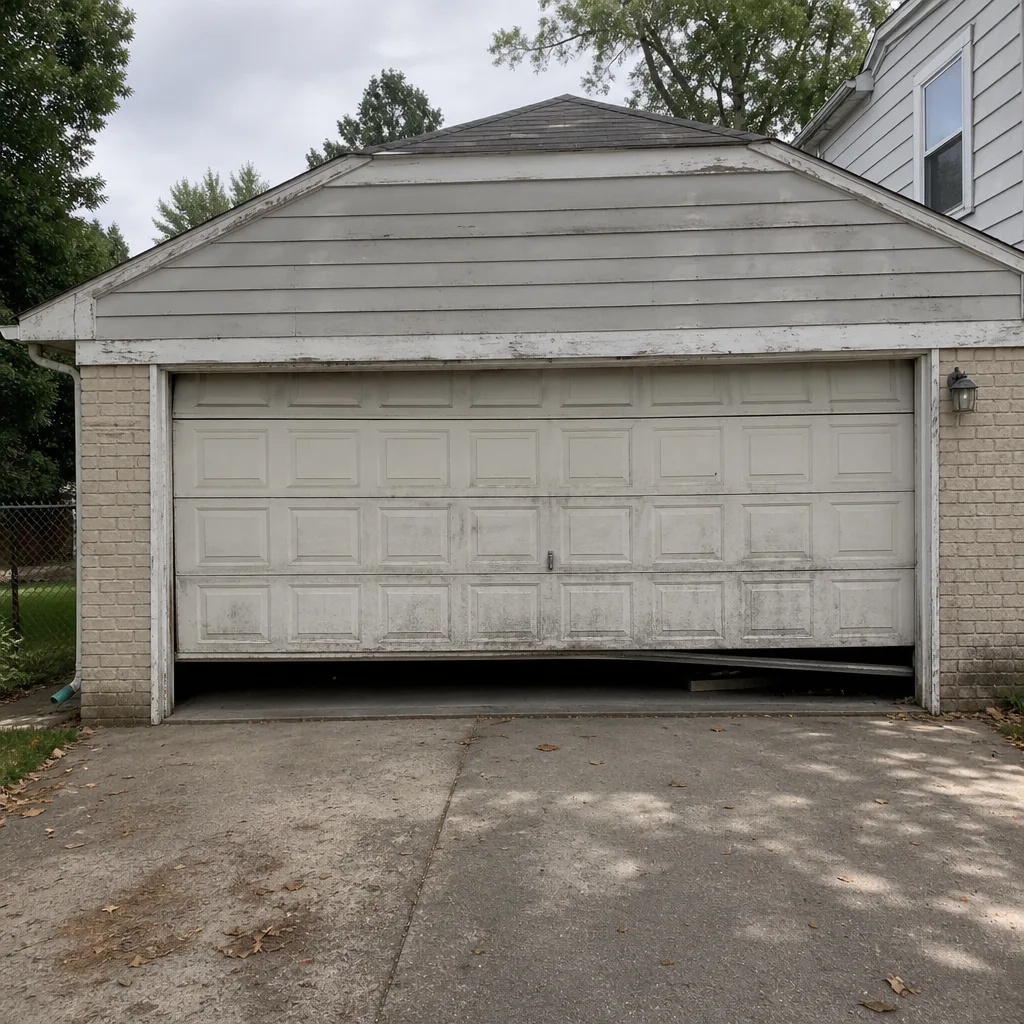 Before
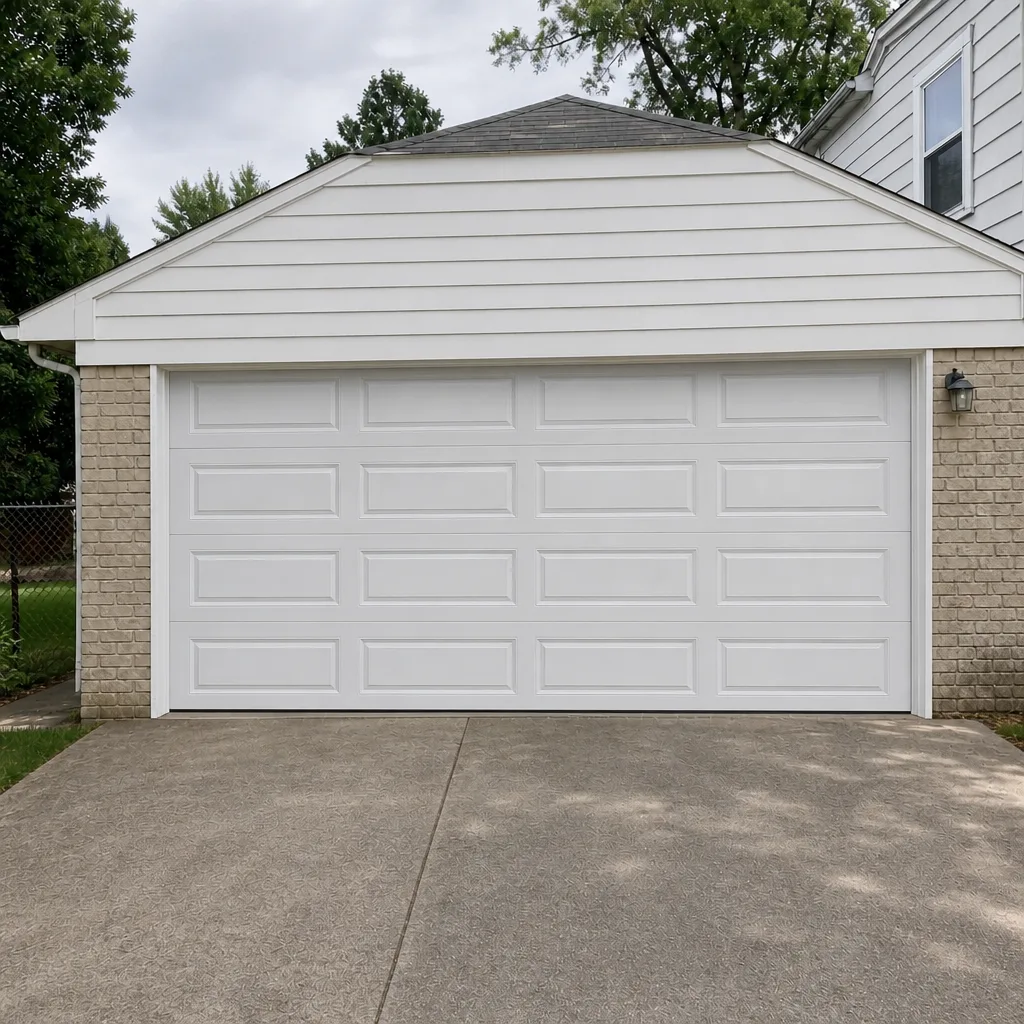 After
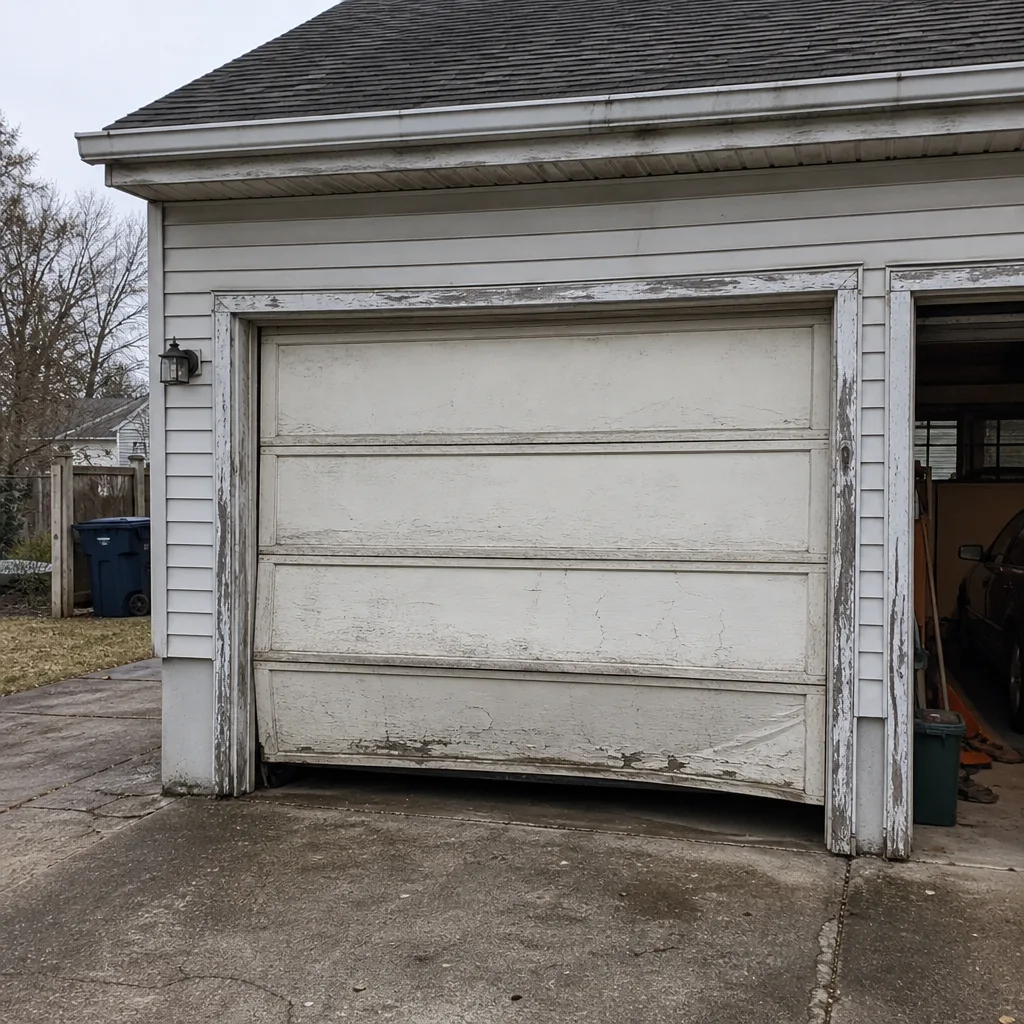 Before
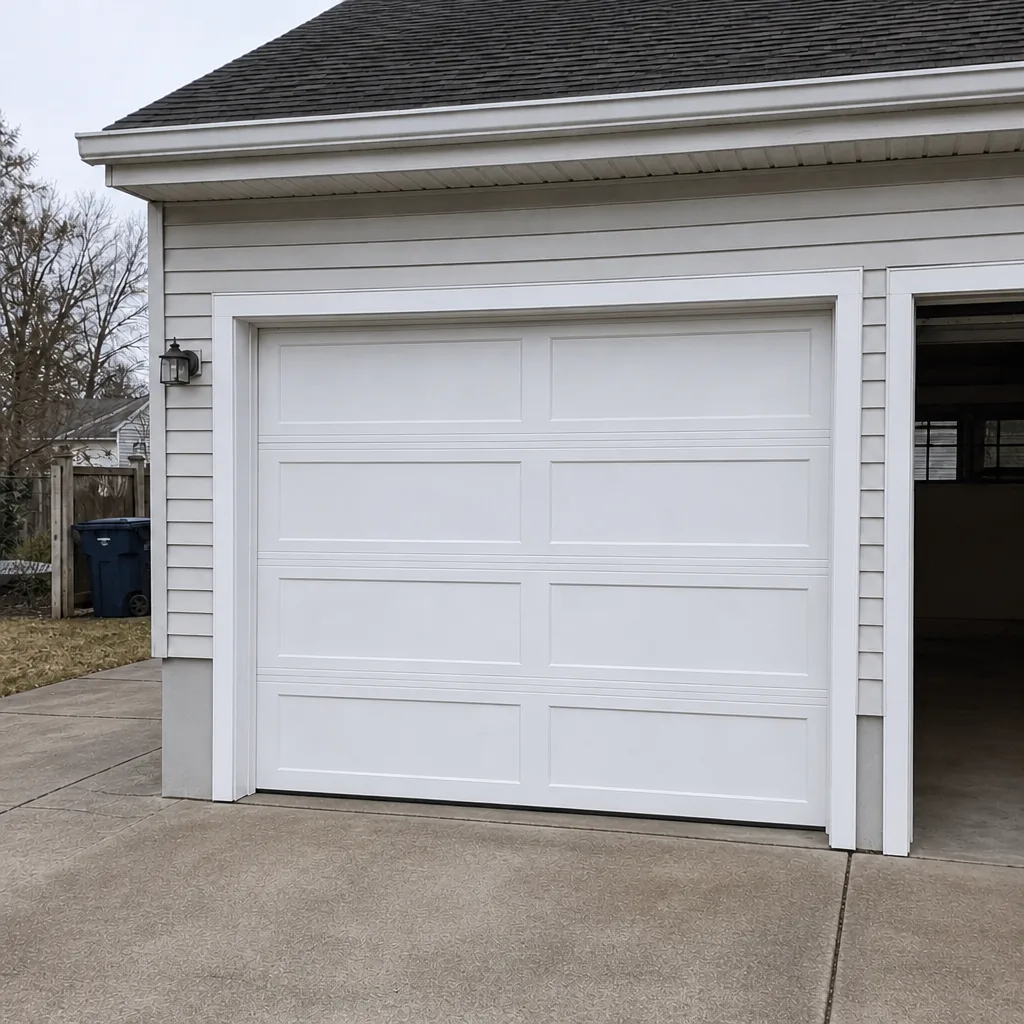 After
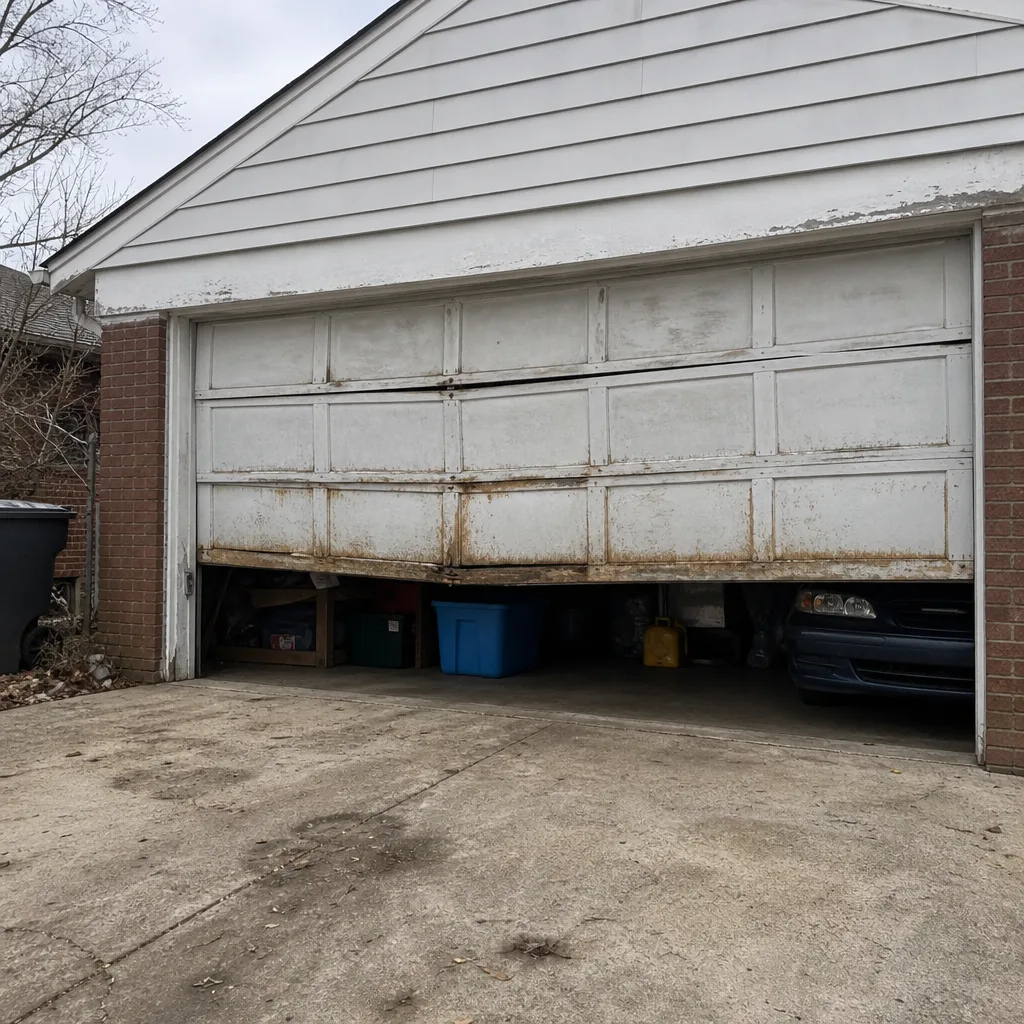 Before
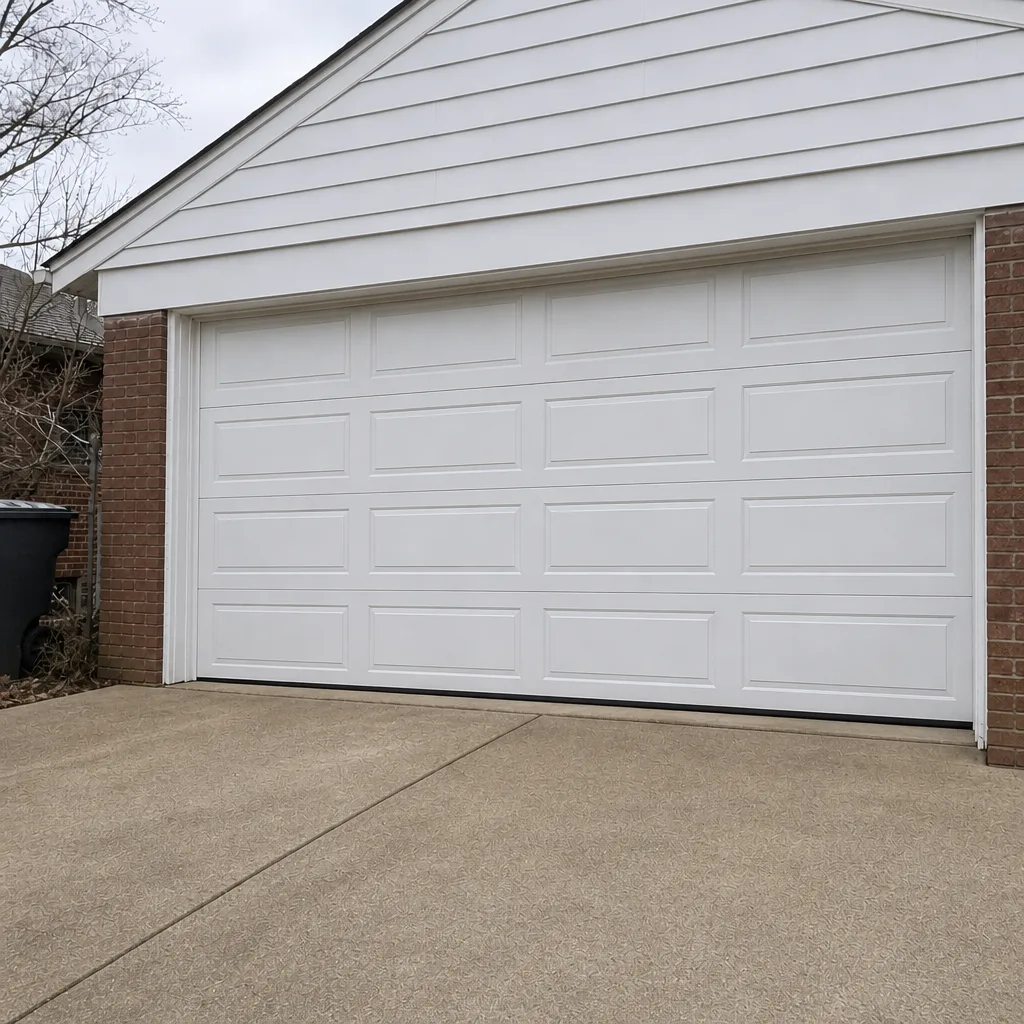 After
When to Call a Professional
Call for help when the door won’t lift by hand, when a spring is visibly sagging or snapped, when a cable has come off its drum, or when the door is crooked in its tracks. Call if the door reverses on its own, if the opener runs but the door doesn’t move, or if you’ve had to force the door closed more than once. Call after storm damage, or if you hear a loud bang from the garage and the door won’t open. And call if the bottom panel is already swollen, because by then the seal has failed and the panel needs replacing. Wilmington Garage Door Repair Pros offers free estimates in Wilmington; call (877) 492-2046 and we’ll tell you exactly what’s worth repairing and what’s worth replacing.
Frequently Asked Questions
Monthly for the quick checks (bottom seal, balance, safety reverse) and twice a year for lubrication and a full hardware inspection. Wilmington’s wet winters and humid summers make the seasonal checks more important than in a dry climate, and the spring-to-fall transition is when most failures show up. Call (877) 492-2046 for a free estimate.
Yes, emergency service is available, and a door stuck open or jammed shut gets priority. Call (877) 492-2046 and tell us what the door is doing; the sooner we know, the faster we can get to it.
No. We quote the price and agree it with you before any work starts, so the written estimate sets the final price. If we find something different once we’re on site, we’ll tell you and get your approval before doing anything extra. Call (877) 492-2046 for a free estimate.
The local professionals we connect you with are licensed and insured as their state requires. We’re happy to confirm the credentials for your job before we schedule. Call (877) 492-2046 with any questions.
In our experience, it’s water damage to the bottom panel from a worn bottom seal, followed by torsion spring failure. Both come from the same cause: a part that wears slowly and gets checked too late. Call (877) 492-2046 to have either looked at.
Repair is usually the right answer when the panels, springs, and opener are sound and the problem is one specific part. Replacement makes sense when the panels are warped across most of the door, the hardware is failing repeatedly, or the opener is obsolete. We give an honest repair-or-replace answer either way, and we handle both. Call (877) 492-2046 for a free estimate.
The Bottom Line
A garage door in Wilmington doesn’t fail from one big event. It fails from a worn bottom seal, a missed lubrication, and a spring that was used up one cycle at a time. The checklist above ranks those checks by how often they cause an emergency here, and the order matters: the bottom seal first, lubrication and balance second, springs and cables handled by a technician. Our technicians have up to 10 years of experience, and we work on nearly every major brand, including LiftMaster, Chamberlain, and Genie. Repair or replace, one call covers it, and the price is agreed before any work starts. Call (877) 492-2046 for a free estimate.
Written by the team at Wilmington Garage Door Repair Pros.